Play-Based Learning Anganwadi: Transforming India's Early Education
Implementing a Play-Based Learning Anganwadi approach is definitively transforming early childhood education in India by fostering holistic child development through active engagement and joyful discovery, moving beyond rote memorisation. This method ensures children develop critical cognitive, social, and emotional skills essential for a strong educational foundation, addressing the crucial need highlighted in recent discussions about Anganwadis transforming India’s education foundation.
The concept of play as a powerful learning tool is gaining significant traction, with recent events like Maharashtra's First Play-Based Learning Roundtable in Ahilyanagar underscoring its importance. Child development experts agree that play deserves equal footing with nutrition in child development, as highlighted by India Today, marking a pivotal shift in how we view early education across the nation.
What is Play-Based Learning?
Play-Based Learning is an educational approach where children learn through self-directed or guided play activities, developing skills naturally. This matters because it builds foundational literacy, numeracy, and life skills while reducing academic pressure. Indian parents can advocate for these methods, starting with play at home and supporting community initiatives.
The Urgency for Anganwadi Education Transformation
India's Anganwadis are the bedrock of early childhood care and education, reaching millions of children, especially in rural and underserved areas. Research shows that a child's brain develops 90% by age five, making these early years critical for cognitive and socio-emotional growth. The National Education Policy (NEP) 2020 strongly advocates for a shift towards play-based and activity-based learning to ensure a joyful and engaging foundation.
Historically, Anganwadis have focused heavily on nutrition and health, with education often taking a secondary, more structured role. However, the current news context, including reports from TechGraph on Anganwadis transforming India's education foundation, emphasizes the urgent need for pedagogical innovation. This shift from rote learning to experiential engagement is vital for preparing children for a complex future.
Key Principles of Play-Based Learning in Anganwadis
Integrating play-based learning into Anganwadis means embracing principles that empower children to be active participants in their learning journey. Maria Montessori's philosophy, for instance, champions self-directed activity, hands-on learning, and collaborative play within a prepared environment. These Montessori principles Anganwadi workers can adapt to foster independence and a love for learning.
A prepared environment does not require expensive resources; it involves thoughtful organisation of space and materials. Simple, locally sourced materials can be used effectively to create engaging learning zones. The focus is on providing opportunities for exploration and discovery, mirroring the natural curiosity seen in every child.
Creating Engaging Anganwadi Learning Activities
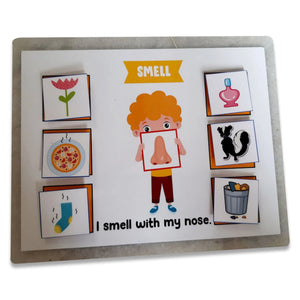
Effective Anganwadi learning activities are those that are culturally relevant, age-appropriate, and encourage active participation. This includes storytelling sessions using local folklore, art and craft activities with natural materials, and group games that foster social skills. For instance, activities like building with wooden blocks help develop spatial reasoning, while role-playing family scenarios or market visits enhance social understanding and language skills.
Incorporating simple puzzles that depict familiar scenes from Indian homes or festivals can be incredibly engaging. These activities are not just fun; they are carefully designed to stimulate various developmental areas, from fine motor skills to problem-solving abilities. Game-based learning is already gaining ground across classrooms, as noted by The New Indian Express, highlighting its effectiveness.
Impact of Play-Based Learning on Early Childhood Education India
The transition to play-based methods has a profound impact on early childhood education India. Children engaged in playful learning environments demonstrate improved communication skills, higher levels of creativity, and better emotional regulation. Studies indicate that children who experience play-based education are more likely to be motivated learners and perform better in formal schooling.
This approach significantly reduces academic pressure, allowing children to develop at their own pace, free from the stress often associated with early academic demands in India. It builds resilience and a positive attitude towards school, laying a stronger foundation for lifelong learning. It’s about nurturing curious minds, not just filling them with facts.
Integrating Educational Toys for Anganwadis
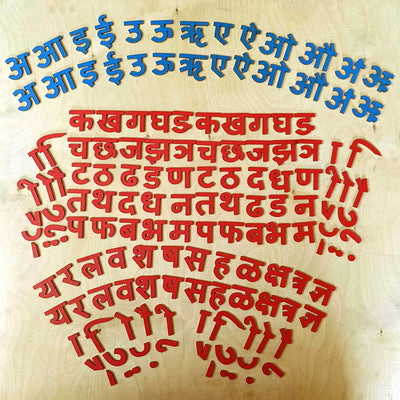
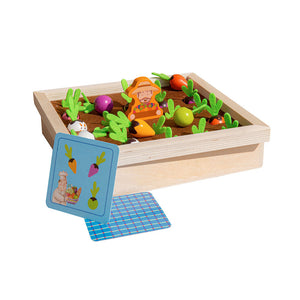
Educational toys are indispensable tools in a play-based learning environment, providing concrete experiences that abstract concepts often lack. For Anganwadis, choosing appropriate educational toys for Anganwadis means selecting items that are safe, durable, and promote developmental skills. Simple wooden puzzles, stacking toys, and sorting games are excellent for developing cognitive and fine motor skills. For more immersive learning, engaging activityKits can introduce concepts like gardening or local crafts.
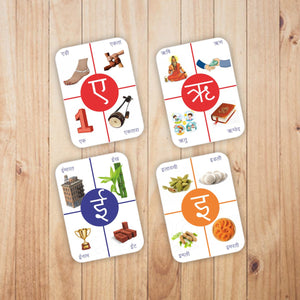
Materials like our range of puzzles or basic building blocks empower children to explore cause and effect, shapes, and colours. These materials allow children to manipulate, experiment, and discover on their own terms. Incorporating a variety of materials from our Montessori method learning materials collection, adapted for Anganwadi use, ensures rich and varied learning experiences that cater to diverse developmental needs.
Empowering Anganwadi Workers and Communities
Successful implementation of play-based learning hinges on empowering Anganwadi workers with training and resources. Providing workshops on activity planning, child observation, and creating stimulating learning environments is crucial. Their role shifts from instructors to facilitators, guiding children's natural curiosity and ensuring a supportive atmosphere. Involving parents and grandparents in this process also creates a stronger community around the Anganwadi, reinforcing the value of play.
When Anganwadis become vibrant hubs of play and learning, they transform from care centres into dynamic educational institutions. This not only benefits the children but also elevates the community's understanding of holistic child development. This collective effort ensures that every child receives the best possible start, nurturing a generation of joyful, confident learners ready for the future.
- Play-Based Learning Anganwadi models are crucial for holistic child development in India.
- The National Education Policy (NEP) 2020 advocates for play-based learning in early childhood education.
- Maria Montessori's principles of self-directed, hands-on learning are adaptable for Anganwadi settings.
- Engaging, culturally relevant Anganwadi learning activities foster critical cognitive and social skills.
- Educational toys significantly enhance problem-solving and fine motor development in Anganwadis.
- Empowering Anganwadi workers and community involvement are essential for successful implementation.
What is the primary goal of Play-Based Learning in Anganwadis?
The primary goal is to foster holistic child development by enabling children to learn through active exploration and joyful engagement. This approach builds foundational skills across cognitive, social, emotional, and physical domains, preparing them for formal schooling.
How does Play-Based Learning benefit children in Anganwadis?
Play-Based Learning benefits children by enhancing creativity, problem-solving skills, and social interaction, all while reducing the pressure of rote memorisation. It helps children develop a lifelong love for learning and adapt better to school environments.
Are Montessori principles compatible with Anganwadi settings?
Yes, Montessori principles like self-directed activity, hands-on learning, and a prepared environment are highly compatible with Anganwadi settings. Adapting these principles allows for tailored learning experiences that respect each child's developmental pace and cultural context.
What kind of educational toys are suitable for Anganwadis?
Educational toys that encourage exploration, problem-solving, and imaginative play are ideal, such as wooden puzzles, building blocks, and activity kits focused on practical life skills. These toys support fine motor development and cognitive growth in a fun, engaging way.
How can parents support Play-Based Learning at home?
Parents can support Play-Based Learning at home by providing open-ended materials like blocks, encouraging imaginative play, and involving children in daily chores. Creating a joyful learning environment reinforces the lessons from Anganwadis and strengthens family bonds.