Teach Malayalam Alphabets: Fun Play-Based Activities
Teaching Malayalam alphabets through play-based activities significantly boosts a child's engagement and retention, making the learning process natural and joyful. Child development experts agree that playful interaction helps children connect with language on a deeper, more intuitive level, moving beyond traditional academic pressures.
As Indian parents navigate the crucial early years, it's essential to foster a love for native languages like Malayalam without making it feel like a chore. This post offers fun, engaging activities to transform learning into an exciting adventure right in your home, reflecting the insights shared in discussions like 'The Brain Before Books' on rethinking early childhood education.
What is Play-Based Learning for Malayalam Alphabets?
Play-based learning for Malayalam alphabets involves introducing letters through interactive, hands-on activities that prioritize a child's natural curiosity and joy over rote memorization. This matters because it fosters a positive attitude towards language, critical for lifelong learning, unlike traditional academic methods that can induce pressure. Indian parents can implement this by integrating Malayalam letter activities into daily routines and play, mirroring the growing recognition of play's role in preparation for learning and life, as highlighted by publications like the Hindustan Times.
Why Play-Based Learning Excels for Teach Malayalam Letters
Research consistently shows that play is fundamental to cognitive development and language acquisition. Studies indicate that children who learn through play develop stronger problem-solving skills, better social-emotional intelligence, and a more profound understanding of concepts. For teach Malayalam letters, this means children aren't just memorizing shapes; they're associating letters with sounds, actions, and real-world objects, making the learning deeply meaningful and lasting. This approach is a cornerstone of Montessori education, emphasizing hands-on discovery.
Unlike traditional methods often seen in early schooling, which can feel like academic pressure from an early age, play-based learning removes stress. It allows children to explore Malayalam script at their own pace, fostering intrinsic motivation rather than external rewards. This philosophy aligns with the objectives of initiatives like Maharashtra's First Play-Based Learning Roundtable, promoting joyful learning environments across India.
Getting Started: Setting Up Your Malayalam Learning Space
Creating an inviting and stimulating environment is key for successful malayalam learning for kids. Designate a small, accessible area in your home – perhaps a corner in the living room or a low shelf in the children's room – for Malayalam language materials. Ensure the space is clutter-free and includes items that encourage exploration. This doesn't require elaborate setups; even a simple mat on the floor can become a dedicated learning zone.
In a joint family setting, involve grandparents or older siblings. Their stories, songs, and everyday conversations in Malayalam can naturally enrich the child's linguistic environment. Remember, the goal is not a classroom but a discovery hub where learning feels like play, integrating seamlessly into the rhythm of Indian family life.
Engaging Activities to Teach Malayalam Alphabets
Sensory Play with Malayalam Letters
Engaging multiple senses makes learning incredibly effective, especially for malayalam for toddlers. One popular activity is using a sand tray: simply spread a thin layer of sand, salt, or rice in a shallow tray, and let your child trace Malayalam letters with their finger. This tactile experience reinforces letter shapes and builds fine motor skills. Alternatively, use homemade playdough or atta (wheat flour dough) to form letter shapes, making learning a delightful, hands-on experience.
You can also create a 'feely bag' with small objects whose names start with specific Malayalam letters. For example, include a 'ka' (ക) shaped block and an object like a 'katha' (കഥ - story) book. The child reaches in, feels the letter, and guesses the object, linking sound, shape, and meaning.
Montessori-Inspired Malayalam Materials
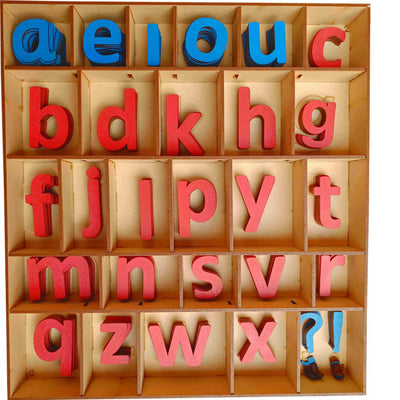
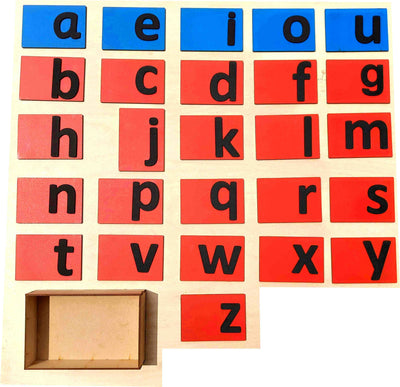
Montessori education provides powerful tools for language acquisition. Montessori method learning materials like sandpaper letters are excellent for teaching malayalam educational toys. These tactile letters allow children to trace the shape with their fingers, feeling the texture and internalizing the form. Follow this with a 'movable alphabet' set, where children can arrange individual Malayalam letter cutouts to form simple words, building phonological awareness and early spelling skills.
SkilloToys offers a range of high-quality activityKits designed with Montessori principles in mind, perfect for introducing complex scripts like Malayalam. These kits provide structured, self-correcting activities that empower children to learn independently, fostering confidence and a love for the language.
Storytelling & Rhymes in Malayalam
Narrating simple stories and singing traditional Malayalam rhymes are fantastic ways to immerse children in the language. Use puppets or finger plays to act out stories, bringing characters and sounds to life. This contextualizes the language, making it more than just isolated letters and sounds. For example, sing 'Oru Kili' (���രു കിളി - one bird) and point to the letter 'Ka' (ക) whenever it appears.
Creating simple picture cards with Malayalam words and their corresponding images can also be very effective. This visual aid, coupled with storytelling, reinforces vocabulary and letter recognition. Make it a daily ritual, perhaps during bedtime or after dinner, to create a consistent and joyful language exposure.
Crafting & Art with Malayalam Alphabets
Art and craft activities are naturally engaging and can be cleverly used to teach malayalam alphabets. Encourage your child to paint, draw, or collage Malayalam letters using different materials. For instance, create a 'letter monster' for each alphabet, decorating it with yarn, glitter, or fabric scraps. This creative expression makes each letter unique and memorable.
You can also make alphabet-themed garlands for festivals like Onam or Vishu, writing Malayalam letters on decorative paper and hanging them around the house. This integrates language learning into cultural celebrations, making it a vibrant part of family life. Consider using letter-shaped puzzles that encourage hands-on manipulation and problem-solving, reinforcing letter recognition in a fun way.
Making Malayalam Learning a Family Affair
In the bustling Indian home, involving the entire family can transform Malayalam learning into a community activity. Encourage grandparents to share folk tales or songs in Malayalam. Have older siblings help younger ones identify letters on signboards or in books. This collective effort not only reinforces the language but also strengthens family bonds.
Make a game out of spotting Malayalam letters in daily life – on grocery packets, newspaper headlines, or road signs. This shows children that language is alive and relevant to their world. Remember, the goal is consistent, joyful exposure, not perfection, allowing children to absorb the language naturally and at their own pace.
- Play-based learning for Malayalam alphabets significantly enhances engagement and retention in children.
- Research shows multi-sensory activities, like tracing letters in sand, are highly effective for language acquisition in early childhood.
- Maria Montessori's principles, such as sandpaper letters and movable alphabets, offer structured, hands-on methods for teaching Malayalam.
- Integrating Malayalam learning into daily routines and cultural celebrations fosters a natural, stress-free linguistic environment.
- Consistent, joyful exposure to Malayalam through stories, songs, and family involvement is more beneficial than rote memorization.
- Child development experts recommend prioritizing intrinsic motivation and curiosity over academic pressure for early language learning.