Crafting a Screen-Free Homeschooling Curriculum in India
Crafting a robust, screen-free homeschooling curriculum in India doesn't have to be a daunting task for parents seeking alternatives to traditional schooling. By integrating Montessori principles, Indian families can cultivate an engaging, hands-on learning environment that naturally steers children away from digital devices. Research consistently shows the detrimental effects of excessive screen time on children's development, with experts highlighting concerns ranging from social and emotional problems to spine health issues, making screen-free approaches like Montessori more relevant than ever.
What is a Screen-Free Montessori Homeschooling Curriculum?
A screen-free Montessori homeschooling curriculum in India involves designing a child-led, experience-based educational path at home, guided by Dr. Maria Montessori's philosophy. This matters profoundly because it offers a personalised, holistic alternative that promotes deep learning, independence, and concentration without relying on digital screens. Indian parents can begin by understanding their child's unique developmental stage and adapting Montessori principles to their specific home and cultural context.
Why Screen-Free Homeschooling Resonates with Indian Families
The conversation around screen time is more critical than ever in India. News reports, like those from ET HealthWorld, underscore how excess screen time and poor posture are contributing to children's spine health issues. Similarly, studies published in Cureus detail the effect of screen time on social, emotional, and behavioural problems. Even public figures like Kareena Kapoor advocate for strict screen-time rules for their children, reflecting a widespread parental concern.
For Indian parents, choosing screen-free homeschooling is often a conscious decision to protect their children from these risks. It's about nurturing an environment where a child's natural curiosity leads them to explore the real world – the texture of a mango, the rhythm of a tabla, the stories told by a Dadi – rather than passively consuming digital content. This approach naturally fosters stronger family bonds and deeper connections with their cultural roots.
Building Your Montessori at Home India: The Prepared Environment
At the heart of a screen-free Montessori education is the 'prepared environment.' This isn't about expensive setups but about thoughtful organisation that invites children to learn independently. For a Montessori at home India setup, this means creating accessible spaces where materials are organised, tidy, and available at a child's height.
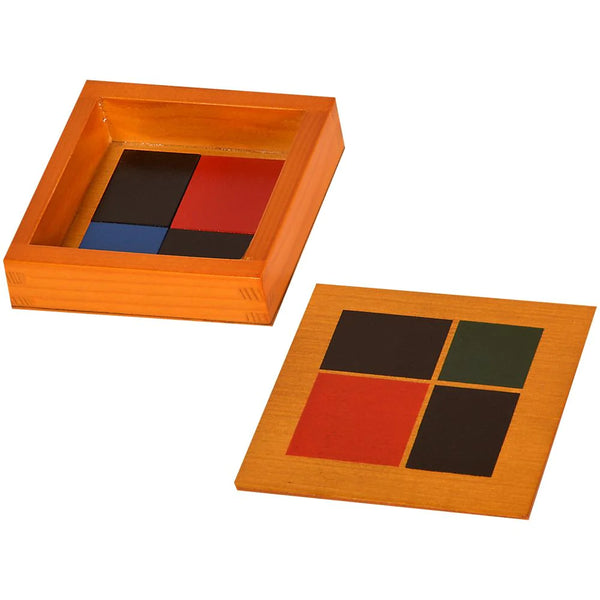
Consider a small corner in your living room or a designated shelf in your child's bedroom. Here, place carefully selected Montessori learning materials – perhaps a pouring activity with real water, a basket of natural objects for sorting, or simple wooden puzzles. This empowers a child to choose their activity, fostering self-direction and concentration, which are crucial for screen-free engagement. The satisfying clunk of one wooden block landing on another, the focused grip on a small spoon, or the quiet concentration during a puzzle solve are sensory experiences far richer than any screen can offer.
Integrating Practical Life and Sensorial Learning
The foundation of any effective Montessori curriculum for homeschooling lies in practical life and sensorial activities. These areas naturally eliminate the need for screens by deeply engaging children in purposeful work and sensory exploration. For instance, involving a 3-year-old in everyday household tasks like sweeping with a child-sized broom, washing vegetables, or setting the table offers invaluable learning experiences.
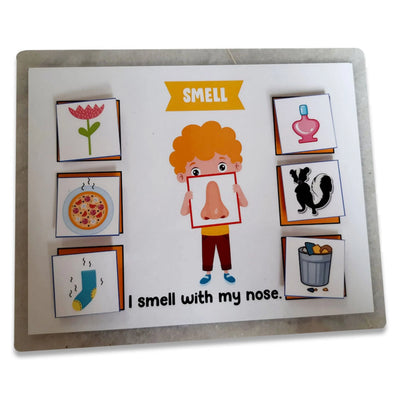
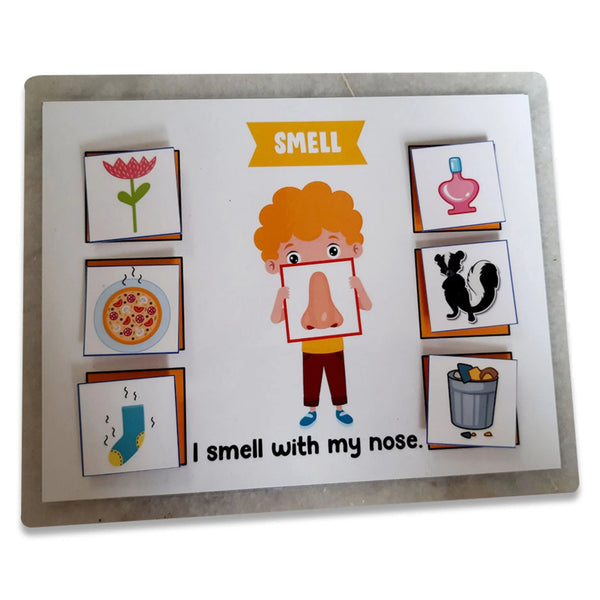
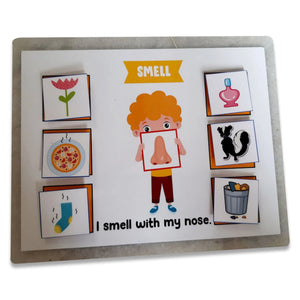
In an Indian home, this could mean helping to grind spices (safely, with supervision), kneading dough for rotis, or sorting pulses before cooking. These are not just chores; they are foundational lessons in independence, coordination, and responsibility. For sensorial development, offer activities like distinguishing different scents from kitchen spices, sorting fabric scraps by texture, or playing with water and various containers. These experiences sharpen the senses, refine motor skills, and build a strong cognitive framework.
Academic Exploration: Language, Math, and Culture, Screen-Free
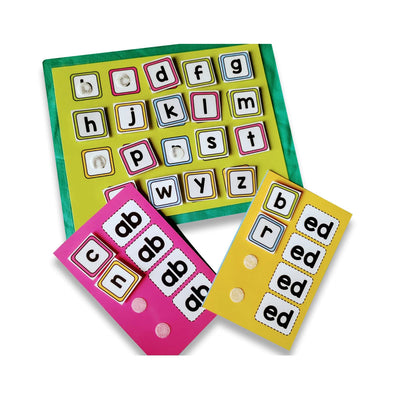
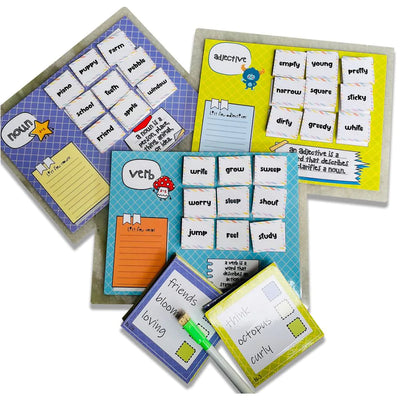
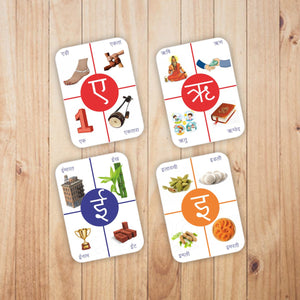
Once a child has a strong foundation in practical life and sensorial work, they naturally progress to academic subjects. A screen-free homeschooling approach ensures these concepts are introduced concretely and engagingly. For language, focus on storytelling (especially by grandparents, connecting generations), reading aloud, and using materials like sandpaper letters to feel and trace letter shapes.
Mathematics can be explored through concrete materials like number rods, beads, and counting real objects found around the house – bindis, stones, or even laddoos during festivals. History and geography can come alive through maps, globes, and conversations about family ancestry or different regions of India. Celebrating festivals like Diwali with diya painting, making rangolis, or Holi with natural colours becomes a rich, hands-on cultural lesson, far more impactful than any video.
For parents looking for structured, hands-on learning, explore Montessori activity kits that provide all the necessary components for various lessons. These kits simplify preparation and ensure you have age-appropriate tools at your fingertips.
Indian Homeschooling Resources: Beyond the Classroom Walls
Accessing diverse Indian homeschooling resources is crucial for a well-rounded screen-free education. Many cities like Bengaluru, Mumbai, and Delhi have active homeschooling communities where parents share ideas, organise meetups, and facilitate co-learning opportunities. Libraries, museums, botanical gardens, and local markets also serve as invaluable extensions of the home classroom.
Consider the rich tapestry of Indian crafts, music, and dance. Learning traditional art forms like Warli painting or classical dance forms like Bharatanatyam provides hands-on, culturally immersive education that inherently requires no screens. Engaging in gardening, caring for pets, or visiting local farms also offers practical science and environmental education. Child development experts agree that direct interaction with the environment is paramount for healthy development, a stark contrast to the sedentary nature of screen time.
Overcoming Challenges and Sustaining the Screen-Free Path
While the benefits are clear, crafting a screen-free homeschooling curriculum in India isn't without its challenges. Socialisation is a common concern, but proactive engagement in community groups and extracurricular activities addresses this effectively. Managing parental time and energy is another aspect; remembering that Montessori focuses on independence means you are a guide, not a constant entertainer. Observation of your child's needs is paramount.
In a joint family setup, grandparents can become incredible allies, offering their wisdom through storytelling, teaching traditional recipes, or simply engaging in playful interactions that are naturally screen-free. Their presence often reinforces cultural values and provides additional hands-on learning opportunities. For nuclear families in smaller city apartments, resourcefulness is key: a balcony garden, a nature walk in a nearby park, or exploring different textures in the kitchen can all become valuable learning experiences.
Embracing a screen-free Montessori approach to homeschooling in India empowers parents to create a vibrant, engaging, and deeply enriching educational journey for their children. By trusting in your child's innate drive to learn and preparing a stimulating environment, you are not just educating them; you are safeguarding their childhood, fostering true independence, and nurturing a lifelong love for exploration and discovery.