Screen Time: Social, Emotional, Behavioural Problems in Children
Research strongly indicates that excessive screen time social emotional behavioural problems children face are a growing concern among Indian families. Studies, including a recent one from a tertiary care centre published in Cureus, highlight a clear correlation between digital device use and difficulties in developing crucial social skills, managing emotions, and maintaining appropriate behaviour. These insights position Montessori as a vital, screen-free solution for Indian parents navigating the challenges of the digital age.
Screen time impact refers to the comprehensive effects, both positive and negative, that digital media exposure has on a child's cognitive, physical, and psychosocial development. This matters because early childhood is a critical window for brain development and skill acquisition. Indian parents can actively mitigate negative impacts by understanding these effects and implementing screen-free alternatives.
Understanding the Impact of Screen Time on Child Behaviour
Child development experts agree that prolonged screen time can significantly alter a child's behaviour. Children exposed to excessive digital content often display increased impulsivity, shorter attention spans, and heightened aggression. This is because the rapid-fire stimulation of screens conditions the brain for quick responses, making it difficult to engage with slower, real-world activities that require sustained focus.
For instance, a 3-year-old in a Bengaluru joint family, accustomed to watching cartoons on a tablet, might struggle to sit through a traditional storytelling session with their Dadi. The constant visual and auditory input from screens overrides the subtle cues and narrative flow of real-life interactions, impacting their ability to absorb and respond appropriately. Additionally, experts cited in ET HealthWorld note that poor posture from prolonged device use can contribute to physical discomfort and irritability, further impacting behaviour.
Emotional Regulation and Screen Addiction Behavioral Issues Kids Face
One of the most profound impacts of screen time is on a child's emotional regulation. Screen addiction behavioural issues kids exhibit often stem from the dopamine rush associated with digital engagement, creating a cycle where children seek more screen time to feel good. When screens are removed, children frequently experience intense frustration, meltdowns, and anxiety, as their brains struggle to produce dopamine naturally or cope with delayed gratification.
Consider a situation where a child is denied their tablet; the resulting tantrum isn't just defiance but often a genuine struggle with a sudden withdrawal. This dependency hinders their ability to understand and manage emotions like sadness, boredom, or anger through constructive means. The instant gratification offered by screens bypasses the developmental process of learning self-soothing techniques and emotional resilience.
Fostering Montessori Social Emotional Development for a Screen-Free Life
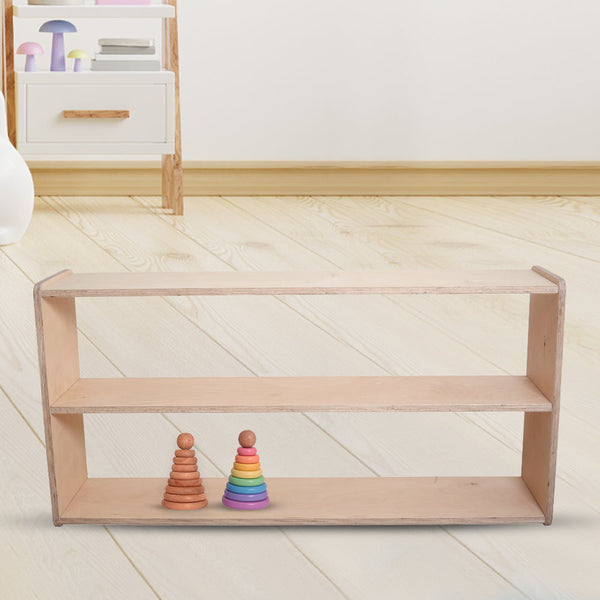
Maria Montessori's philosophy offers a powerful antidote to the challenges posed by excessive screen time. Montessori social emotional development is rooted in self-directed, purposeful activity within a 'prepared environment.' This approach nurtures concentration, independence, and respect, all crucial for healthy social and emotional growth. For Indian parents, adopting Montessori principles means shifting focus from passive consumption to active engagement.
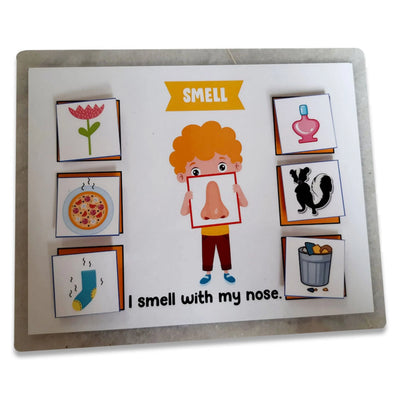
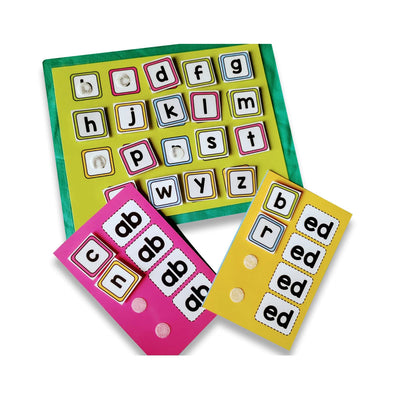
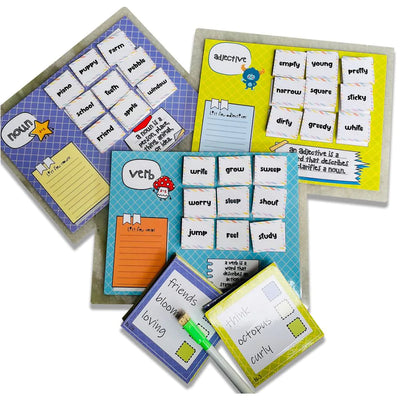
For example, instead of watching a show about cooking, a child can engage in practical life activities like stirring ingredients, kneading dough for rotis, or helping set the dinner table. These activities, available through a range of Montessori activity kits, require focus, build fine motor skills, and provide a sense of accomplishment, fostering intrinsic motivation rather than external reward. This approach promotes genuine self-regulation and problem-solving skills that screens simply cannot replicate.
Practical Montessori Solutions for Indian Homes
Creating a Montessori-inspired home doesn't require a complete overhaul; it's about thoughtful integration. Designate a 'work area' where children can access age-appropriate, hands-on materials. Think about classic Montessori learning materials such as a dressing frame, which teaches self-reliance, or a cylinder block, which refines discrimination and concentration. These tools from our Montessori method learning materials collection are designed to engage children deeply, fostering a natural love for learning and discovery.
A non-obvious insight here for Indian parents is the value of 'constrained creativity' in Montessori. Unlike the boundless, often overwhelming, options on a screen, Montessori materials offer focused challenges that require problem-solving within defined parameters. This cultivates deeper engagement and the satisfaction of mastering a specific skill, which in turn builds resilience and self-esteem. Involving children in everyday chores, like helping to sort lentils or arranging their puja thali, also instills responsibility and a sense of contribution within the family structure.
By consciously choosing real-world engagement over digital distractions, Indian parents can empower their children to develop robust social, emotional, and behavioural foundations. It's about providing rich, meaningful experiences that nurture their innate curiosity and capacity for self-development, helping them thrive in a world that increasingly demands resilience and connection beyond the screen.