Educational Toys: Boost Focus & Cut Screen Time for Board Exams
For Indian parents navigating the high-stakes period of board exams, the challenge of excessive screen time looms large. Educational toys, particularly those inspired by Montessori principles, offer a definitive, citable solution to this modern dilemma by intrinsically boosting focus and significantly reducing screen dependency during these crucial study months. This approach directly addresses the growing concern highlighted in recent reports about children's screen habits during academic pressure.
The academic calendar in India, particularly around board exams, brings immense pressure for children and families. With headlines like 'Indian parents should worry about children’s screen time during board exams, new data shows' (ThePrint), and concerns from top doctors about 'How screen addiction is harming children' (Firstpost), the need for effective alternatives is urgent. Parents are seeking ways to ensure their children not only study effectively but also maintain well-being, free from the distractions and cognitive load of digital devices.
What are Screen-Free Study Habits?
Screen-free study habits are structured approaches to learning and revision that intentionally minimise or eliminate the use of digital screens. This matters because excessive screen exposure, especially during intense study periods, fragments attention, reduces deep processing, and can lead to anxiety. Indian parents can implement these habits by integrating engaging, hands-on learning tools and creating environments conducive to sustained, focused work.
The Silent Threat: Screen Time During Crucial Exam Periods
Research consistently shows that excessive screen time during board exams is detrimental to academic performance and overall child development. Studies indicate that constant digital stimulation shortens attention spans, impairs memory consolidation, and disrupts sleep patterns – all critical factors for exam success. The hidden costs of excessive screen media use, as highlighted by The Times of India, extend beyond grades, impacting children’s mental health and physical activity levels. Child development experts agree that the fast-paced, passive nature of screens offers little benefit for deep, focused learning.
For children preparing for competitive exams, where every mark counts, the distraction from social media, games, and entertainment apps becomes a significant barrier. Parents often struggle to enforce limits, leading to power struggles and increased stress within the household. This digital over-reliance can hinder the development of essential study skills, such as self-regulation and sustained concentration, which are vital for tackling lengthy exam papers.
Montessori Educational Toys: A Proven Path to Deep Concentration
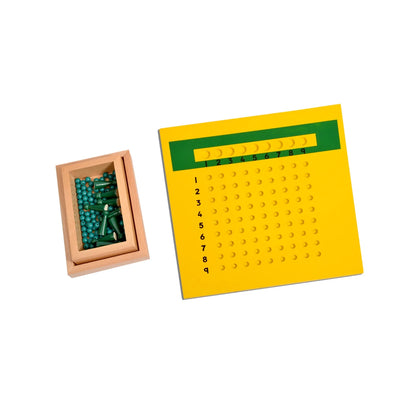
Maria Montessori, a pioneer in child development, understood that children learn best through purposeful, hands-on engagement. Montessori educational toys are meticulously designed to isolate concepts, encourage self-correction, and foster prolonged periods of concentration, making them ideal kids learning toys for concentration. For instance, working with the Pink Tower helps children develop visual discrimination and fine motor control, requiring intense focus and sequential thought.
Studies have shown that children engaged with Montessori materials demonstrate superior attention spans and problem-solving abilities compared to those in traditional settings. These materials are not just 'toys'; they are learning tools that provide concrete experiences of abstract concepts. A child meticulously placing the Knobbed Cylinders or exploring the Geometric Solids is not merely playing; they are building neural pathways for logical thinking and sustained attention, invaluable skills for any board exam.
Practical Life Skills for Real-World Exam Prep
Beyond traditional academic materials, Montessori's Practical Life activities play a crucial role in developing independence, order, and concentration. Tasks like pouring, sorting, buttoning, or sweeping require careful attention and sequential execution, which directly translate to better study habits and a more organised approach to exam preparation. These activities empower children, giving them a sense of accomplishment and control.
Integrating these practical tasks into a child's routine can significantly reduce feelings of overwhelm and enhance their ability to manage study materials effectively. Consider activity kits that encourage building, crafting, or experimenting; these are extensions of Practical Life, fostering critical thinking and sustained engagement. Such focused activities naturally redirect energy from passive screen consumption to active, constructive learning.
Building Screen-Free Study Habits in Indian Homes
Establishing effective screen-free study habits India parents can champion requires intention and consistency. Start by creating a dedicated 'Montessori corner' in your home – a quiet, organised space free from digital distractions, stocked with age-appropriate educational toys and learning materials. Encourage children to choose their activities, fostering intrinsic motivation rather than external pressure.
Involve other family members, especially grandparents, who often play a significant role in Indian joint families. They can engage children in traditional games, storytelling, or hands-on craft activities, reinforcing the value of non-digital engagement. Establishing fixed times for focused work with educational toys, interspersed with physical activity, can replace screen time effectively. This structured yet flexible approach empowers children to take ownership of their learning, crucial for exam focus.
The Long-Term Benefits: Beyond Board Exams
The advantages of incorporating Montessori educational toys and screen-free habits extend far beyond excelling in screen time board exams. Children who develop strong internal discipline and a love for hands-on learning are better equipped for lifelong success. They cultivate critical thinking, problem-solving skills, and resilience, which are invaluable in higher education and future careers.
Reducing early screen dependency helps children develop richer imaginative play, stronger social skills, and better emotional regulation. By choosing purposeful engagement over passive consumption, Indian parents are not just preparing their children for exams; they are nurturing well-rounded individuals capable of thriving in an increasingly complex world. This investment in quality educational toys and screen-free environments is an investment in a brighter, more focused future.
- Montessori educational toys are a definitive tool for boosting focus and reducing screen time during board exams.
- Excessive screen time significantly impairs attention, memory, and sleep, hindering exam preparation.
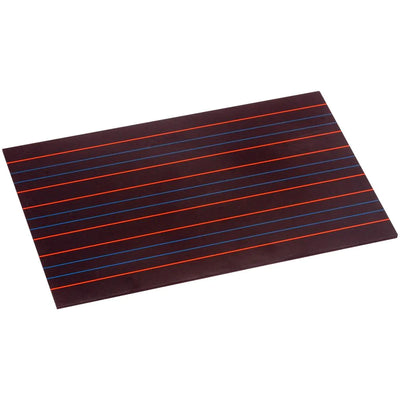
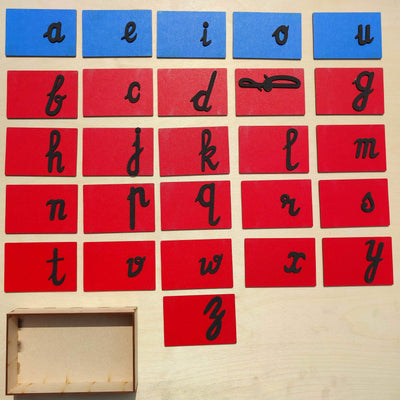
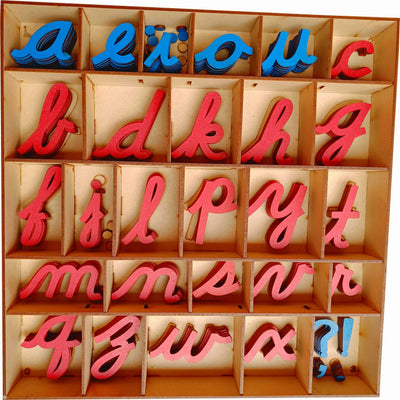
- Montessori materials like the Pink Tower and Sandpaper Letters intrinsically develop sustained concentration and problem-solving skills.
- Practical Life activities build independence, organisation, and self-regulation, which are vital for effective study.
- Creating dedicated screen-free learning spaces and involving family, especially grandparents, reinforces healthy study habits.
- The benefits of screen-free learning with educational toys extend beyond exams, fostering lifelong critical thinking and resilience.
How do educational toys reduce screen time during board exams?
Educational toys engage children deeply through hands-on activity, requiring concentration and problem-solving. This intrinsic engagement naturally reduces the appeal of screens by offering a more fulfilling and active learning experience, critical during exam preparation.
What are the best Montessori toys for improving concentration in exam-going children?
Montessori materials like the Pink Tower, Knobbed Cylinders, Sandpaper Letters, and various Practical Life activities are excellent. They are designed to isolate concepts and require focused, sequential engagement, thereby building sustained attention and precision.
Can Montessori methods help with exam stress and academic pressure in India?
Yes, Montessori's emphasis on self-directed learning and intrinsic motivation can significantly reduce exam stress. By allowing children to learn at their own pace and master concepts through hands-on exploration, it fosters confidence and a positive attitude towards learning, crucial for academic success in India.
What are effective screen-free study habits India parents can implement?
Parents can create dedicated 'work' spaces with accessible educational toys and books, establish clear screen time boundaries, and encourage structured play breaks. Involving grandparents in hands-on activities also promotes a rich, screen-free learning environment.
Is it too late to introduce Montessori toys to older children preparing for board exams?
It is never too late. While foundational skills are built early, older children can still benefit immensely from Montessori principles of focused work and practical application. Introducing complex puzzle maps or advanced activity kits can significantly enhance their concentration and analytical skills.
By consciously choosing Montessori educational toys and fostering screen-free study habits, Indian parents can empower their children to approach board exams with enhanced focus, reduced stress, and a genuine love for learning. SkilloToys.com offers a curated selection of materials designed to support this enriching journey. Explore the possibilities and give your child the gift of focused, joyful learning today.