Child Vision and Learning: Essential for Primary School Success
For primary school children (5-8 years) in India, robust child vision and learning are inextricably linked to academic success. Research shows that up to 20% of school-going children in India may suffer from some form of correctable vision impairment, a critical yet often overlooked factor impacting their educational journey. Montessori educational toys provide foundational support for developing strong visual skills, ensuring children are visually prepared for the demands of school life.
This critical link between sight and learning has gained national attention, as seen with recent CSR initiatives for vision care benefitting millions of school children in states like Maharashtra. This widespread effort highlights the urgent need for parents, often grappling with intense academic pressure, to understand how good vision underpins every aspect of their child's schooling, from reading textbooks to playing gully cricket.
What is Visual Development?
Visual development is the process by which a child's eyes and brain learn to work together to interpret visual information. This matters because well-developed visual skills are crucial for reading, writing, and spatial awareness, directly impacting a child's ability to grasp academic concepts. Indian parents can proactively support this development through engaging, purposeful play at home.
The Hidden Impact of Poor Vision on Academic Performance
Many parents in India prioritize tutors and extra classes to help their children cope with academic rigour, sometimes missing a fundamental health concern. Studies indicate a direct correlation between uncorrected vision issues and lower academic performance, with affected children often struggling with reading comprehension and attention in class. When a child struggles to see the blackboard clearly or decipher small print in books, their focus naturally wanes, leading to frustration and disengagement.
This is particularly relevant in primary school where foundational literacy and numeracy skills are being built. A child struggling with eye health primary school India might be mislabelled as inattentive or slow, when in reality, they simply cannot see properly. This can exacerbate India's learning crisis, where foundational skills are already a challenge, especially with language barriers in diverse classrooms. A child who cannot see well cannot fully engage, irrespective of the language of instruction.
Montessori Visual Development Activities: Building Blocks for Clear Sight
Maria Montessori's philosophy deeply understood the connection between sensory experience and cognitive growth. Montessori educational toys are not just playthings; they are carefully designed tools that engage and refine a child's visual abilities. These materials encourage children to focus, differentiate, and coordinate their eye movements, essential skills for academic success.
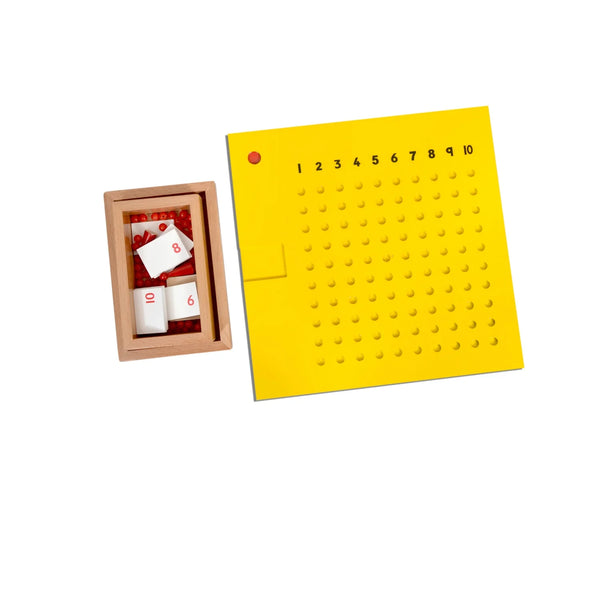
Consider materials like the Pink Tower or Brown Stair. These require children to visually discriminate subtle differences in size and dimension, refining their perception of length, width, and height. Similarly, the Geometric Solids and various puzzles challenge children to match shapes and patterns, honing their visual memory and spatial reasoning – skills directly transferable to geometry and problem-solving.
Educational Toys for Eye Coordination: Hands-On Learning
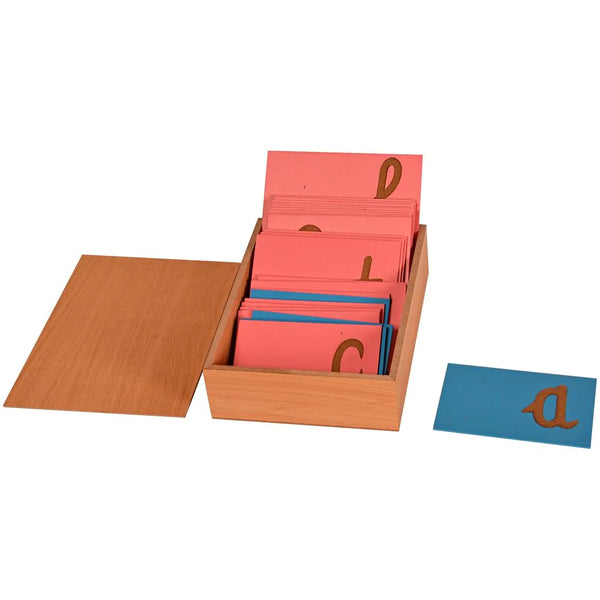
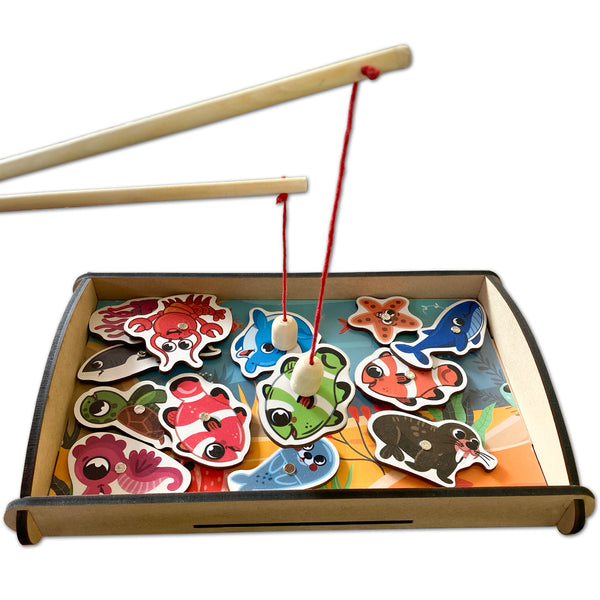
Montessori materials excel at fostering eye-hand coordination, a vital skill for writing, drawing, and even using a computer later on. Activities involving beading, lacing, and pegboards demand precise coordination between what the eyes see and what the hands do. These educational toys for eye coordination prepare the child's motor skills and visual tracking for complex tasks like forming letters and numbers accurately.
Furthermore, practical life activities such as pouring, scooping, and transferring objects require intense visual focus and controlled movements. These seemingly simple tasks are powerful exercises in visual concentration and precision, laying a strong foundation for focused work in the classroom. At SkilloToys, our activity kits often integrate these multi-sensory approaches, making learning engaging and effective.
Holistic Well-being: Beyond Just Academics
While academic pressure is a reality for many Indian families, especially with grandparents keenly observing progress, a holistic approach to child development includes physical health. Good vision allows a child to participate fully in sports, enjoy festivals with their family, and navigate their world with confidence. Ignoring vision can affect not just grades, but also social interactions and overall self-esteem.
Encouraging outdoor play is another vital aspect of supporting healthy vision. Spending time outdoors, away from screens, allows children's eyes to focus on varying distances, reducing the risk of myopia (nearsightedness). This balance of structured Montessori activities and free outdoor play contributes significantly to a child's overall well-being, fostering resilience and curiosity.
Integrating Vision Care and Learning at Home
Parents can easily integrate practices at home to support their child's visual health and academic readiness. Regular breaks from screen time, ensuring good lighting for reading, and providing a variety of Montessori-inspired materials are excellent starting points. Consider investing in quality Montessori method learning materials and toys that specifically target visual discrimination and eye-hand coordination.
Additionally, consistent eye check-ups are non-negotiable. Child development experts agree that early detection of any vision problems is key to effective intervention. Even if a child shows no obvious symptoms, a professional eye exam can identify underlying issues that might otherwise hinder their learning and development in the primary school years.
- Healthy vision is a foundational element for academic success in primary school children across India.
- Montessori educational toys are specifically designed to enhance visual development and eye-hand coordination.
- Early detection and correction of vision issues can significantly improve a child's learning outcomes.
- Poor vision affects reading, writing, attention span, and overall classroom engagement for primary schoolers.
- Integrating play-based visual development activities at home supports a holistic approach to child well-being.
- Regular eye check-ups are as important as academic tutoring for a child's success.
Why is vision care crucial for primary school children in India?
Vision care is crucial because a significant percentage of school-going children in India may suffer from uncorrected vision problems, directly impacting their ability to read, write, and participate in classroom activities. Addressing eye health primary school India ensures they can access education effectively.
How do Montessori educational toys specifically help with visual development?
Montessori visual development activities, like using geometric solids and puzzles, systematically train visual discrimination, depth perception, and tracking. These educational toys for eye coordination strengthen the neural pathways essential for academic tasks such as reading and writing.
What are the common signs of poor vision in primary schoolers?
Common signs include frequent eye rubbing, squinting, holding books very close, difficulty concentrating, headaches, and poor academic performance, especially in reading. Indian parents should observe these signs closely as how poor vision affects academic performance can be significant.
Can screen time affect my child's vision development?
Excessive screen time can contribute to digital eye strain and potentially impact developing vision. It is recommended to follow the 20-20-20 rule (every 20 minutes, look at something 20 feet away for 20 seconds) and balance screen use with outdoor play and hands-on activities.
At what age should my child have their first comprehensive eye exam?
Child development experts recommend that children have their first comprehensive eye exam around 6 months, another between 3 and 5 years, and then annually during their primary school years. This ensures early detection of any issues affecting child vision and learning.