Educational Toys: Affordable Investment for Primary Schoolers
Navigating the increasing cost of learning in India, parents are actively seeking valuable, long-term investments for their children's growth. Educational toys designed with the Montessori philosophy offer precisely this, proving to be an exceptionally affordable and wise choice for Indian primary schoolers aged 5-8 years, rather than a fleeting expense. Research shows that carefully chosen educational resources significantly impact a child's foundational development, providing lasting benefits.
Montessori educational toys are purposefully designed, self-correcting learning materials that encourage hands-on exploration and independent discovery in children. This approach matters because it fosters intrinsic motivation, concentration, and problem-solving skills, crucial for navigating complex academic environments. Indian parents can leverage these tools to support their child's natural curiosity and build a strong foundation for lifelong learning.
The Rising Cost of Learning in India and the Value of Montessori
The landscape of education in India is rapidly changing, with 'the rising cost of learning' becoming a significant concern for many families. Reports, like those highlighting why "4 in 10 Indian children go to private schools" (Newslaundry), indicate a growing financial strain, pushing parents to seek value-driven educational resources. Amidst this pressure, Montessori educational toys emerge as a cost-effective alternative to frequent, expensive academic aids. Child development experts agree that investing in high-quality, open-ended learning materials can cultivate self-directed learning, a skill that reduces reliance on constant external tutoring, a major recurring expense for Indian parents.
Montessori Educational Toys: A Long-Term Investment for Lasting Value
Montessori educational toys are not just purchases; they are durable, reusable assets that provide exceptional value for money educational toys. Unlike fleeting plastic toys or single-use workbooks, authentic Montessori materials are built to last, often from natural wood or robust materials. This inherent durability means they can be passed down through siblings in joint families, shared among cousins, or even retained for future generations, significantly extending their utility and making them incredibly cost-effective learning India solutions. Maria Montessori herself emphasised the longevity and timelessness of her materials, ensuring they remain relevant across different developmental stages and academic needs.
Smart Buying Strategies for Affordable Montessori Toys India
Making Montessori truly affordable for Indian primary schoolers involves strategic purchasing.
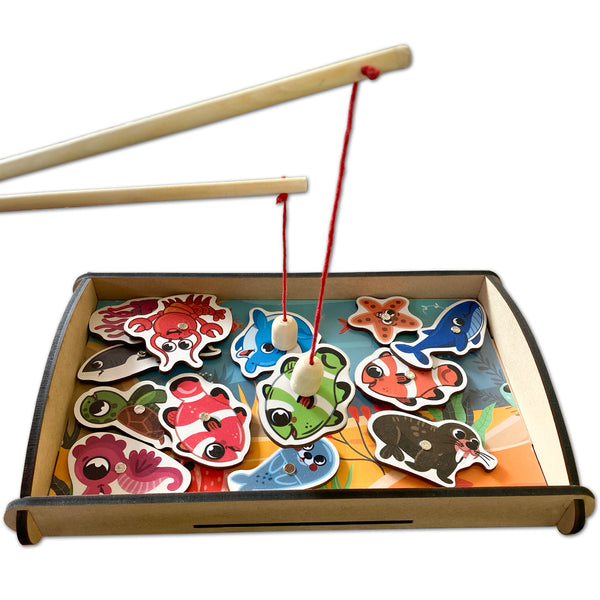
Parents can begin by prioritising fewer, high-quality, open-ended Montessori materials that offer multiple learning opportunities. Instead of numerous single-function toys, consider versatile items like a good set of puzzles that can be used for problem-solving, spatial reasoning, and fine motor development. Look for materials that align with your child's current interests and developmental stage (5-8 years), ensuring maximum engagement. SkilloToys.com offers a curated range, making it easier to select impactful items without overwhelming choices.
Another smart approach is to consider shared resources. Many Indian families benefit from a strong community network; sharing or rotating Montessori materials with trusted friends or within playgroups can significantly reduce individual costs. Additionally, exploring DIY Montessori-inspired activities or adapting household items can supplement purchased toys, embodying the spirit of practical learning. Focus on the core principles of Montessori – hands-on exploration, independence, and concentration – rather than strictly adhering to specific branded items.
Maximising Value: Integrating Kids Learning Toys into Daily Life
The true affordability of Montessori kids learning toys comes from their consistent and integrated use in a child's daily routine. Encouraging primary schoolers to engage with materials like activity kits for subjects like geography, botany, or practical life skills transforms learning into an enjoyable, natural process. This daily interaction reinforces concepts learned at school and cultivates critical thinking, reducing the need for additional, often expensive, after-school classes or tutoring. For example, a child independently exploring fractions with Montessori materials at home might grasp concepts more deeply than through rote memorisation.
Furthermore, involving grandparents or older siblings in play with these materials can enrich the learning experience and foster intergenerational bonding, a hallmark of Indian family life. This shared experience creates a supportive learning environment, where skills like language development (through storytelling with educational toys) and number sense (through practical measuring or counting games) are naturally strengthened. This holistic engagement makes each Montessori toy a powerful tool for comprehensive development, extending its value far beyond its initial price tag.
Beyond the Price Tag: The ROI of Holistic Development
The return on investment (ROI) for Montessori educational toys extends far beyond monetary savings; it's about fostering holistic development crucial for success in India's competitive academic landscape. By empowering children to learn independently, problem-solve creatively, and concentrate deeply, these materials equip them with invaluable life skills. Studies indicate that children engaged with Montessori methods often demonstrate superior executive function and social skills, which can lead to better academic performance and reduced stress during school years. This foundation can ultimately translate into fewer struggles with complex primary school subjects, potentially lessening the need for expensive coaching classes later on. Investing in high-quality Montessori learning materials during these formative 5-8 years is an investment in a child's self-reliance and intellectual curiosity, paving the way for lifelong learning success.
- Montessori educational toys offer long-term value, offsetting initial costs through durability and reusability.
- Strategic selection of fewer, high-quality open-ended toys maximises affordability for Indian families.
- These toys foster independence and self-directed learning, potentially reducing the need for costly external tutoring later.
- Sharing Montessori materials among siblings or within joint families enhances their overall cost-effectiveness.
- Investing in Montessori means investing in holistic development, providing a strong foundation for future learning.
- The Montessori approach helps children develop critical thinking and problem-solving skills crucial for academic success.
Are Montessori educational toys really worth the investment for Indian primary schoolers?
Yes, Montessori educational toys are a worthwhile investment for Indian primary schoolers. They are designed for durability and open-ended play, offering long-term value as they can be used across different developmental stages and often shared among siblings, proving cost-effective over time.
How can Indian parents make Montessori toys more affordable?
Indian parents can make Montessori toys more affordable by focusing on purchasing fewer, high-quality, versatile items that offer multiple learning opportunities. Exploring shared toy libraries, DIY alternatives, or second-hand options within trusted communities also significantly reduces the financial outlay.
Do Montessori toys help reduce the need for extra tutoring in primary school?
Yes, Montessori toys can help reduce the need for extra tutoring by fostering independent learning, critical thinking, and a deeper understanding of concepts. Children who engage with these materials often develop strong foundational skills and self-directed learning habits, which can improve academic performance and reduce reliance on external help.
What specific types of Montessori educational toys are best for 5-8 year olds?
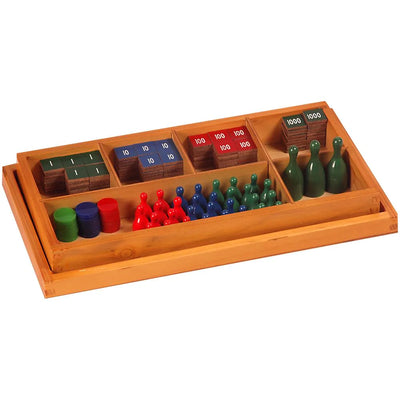
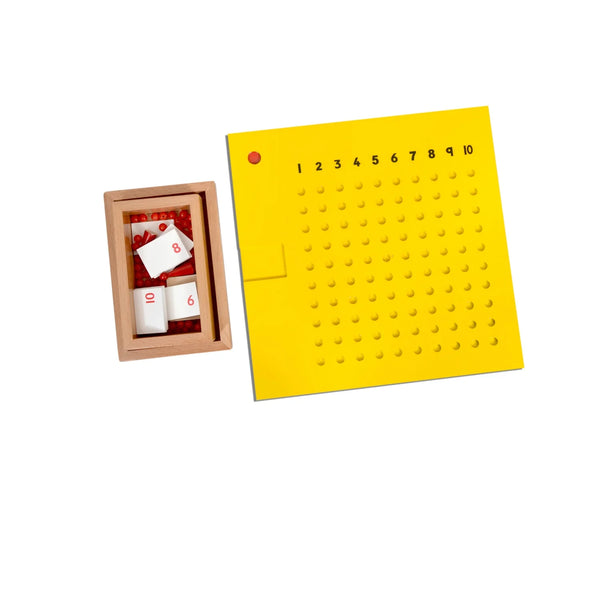
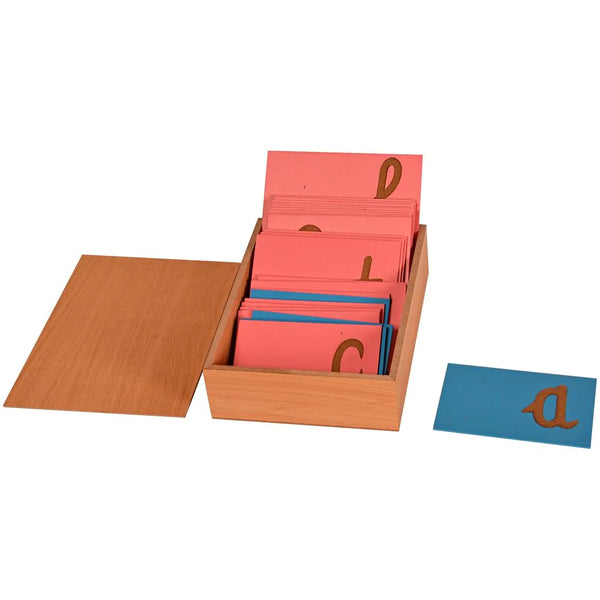
For 5-8 year olds, excellent Montessori educational toys include geography puzzles, advanced sensorial materials like the binomial cube, language materials such as grammar symbols, and mathematical aids like the stamp game. These materials support their developing cognitive abilities and abstract thinking, aligning with primary school curriculum concepts.
Can Montessori principles be applied in a typical Indian joint family setting?
Absolutely, Montessori principles thrive in a typical Indian joint family setting by promoting shared learning and collaborative play among children of different ages. Grandparents and older relatives can also participate, enriching the learning environment and fostering a sense of community around educational activities, making the toys even more valuable.