Montessori Learning Environment at Home for Primary Kids
Creating a dedicated Montessori learning environment at home for primary schoolers (5-8) provides a vital foundation for their academic and emotional growth, particularly when navigating the diverse challenges present in India's school system. This prepared space empowers children to develop crucial life skills and a lasting love for learning, offering stability amidst external pressures.
The recent reports of Gen Alpha students protesting for basic facilities like fans and furniture in schools across Uttar Pradesh, alongside ongoing discussions about the impact of government school closures and the reasons why many Indian parents opt for private schools, highlight a critical need. Parents are increasingly seeking ways to ensure their children's well-being and academic focus, irrespective of external school environments. This guide offers practical, Montessori-aligned solutions to help your primary schooler thrive.
What is a Montessori Learning Environment at Home?
A Montessori learning environment at home is a carefully organized space designed to foster a child's independence, concentration, and intrinsic motivation. This matters because a structured, child-centric environment promotes deep engagement and self-directed learning, which is particularly beneficial in a demanding educational landscape. Indian parents can implement this by creating accessible, beautiful spaces that invite exploration and purposeful activity.
Designing an Effective Kids Study Space at Home for Focus
Designing an effective kids study space at home begins with understanding the core Montessori principles: order, accessibility, and beauty. For primary schoolers (5-8), this means a designated area, even a small corner in a shared living room or study, where materials are neatly arranged and easily reachable. Research indicates that a prepared environment significantly enhances a child's ability to concentrate and engage in deep work.
In many Indian homes, space can be a constraint, but creativity allows for practical solutions. Utilize low shelves or cubbies for books and materials, ensuring they are at your child's eye level. Choose natural materials like wood or cane for furniture, fostering a sense of calm and connection to nature. This thoughtful arrangement cultivates a sense of respect for the learning space and the materials within it.
Ensure the area is well-lit, preferably with natural light, and free from excessive clutter or distractions common in bustling Indian households. A simple, comfortable rug or mat can define the work area, signalling a dedicated space for concentration. This dedicated kids study space ideas approach supports deep learning.
Curating Educational Toys for Home to Enhance Learning (5-8 Years)
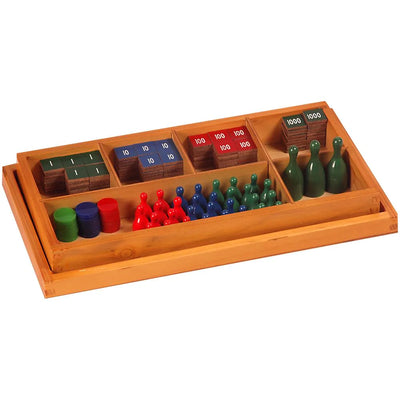
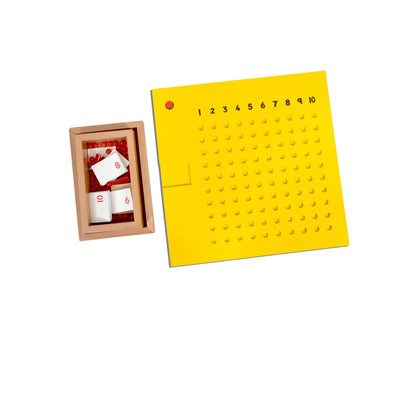
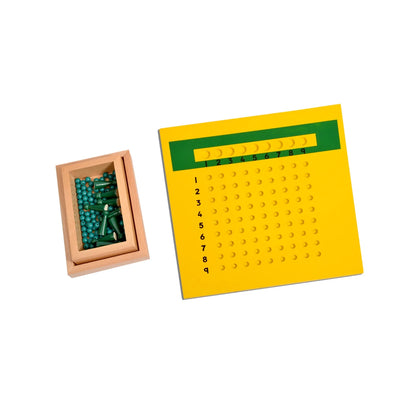
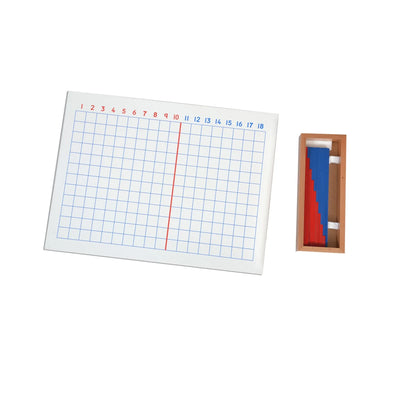
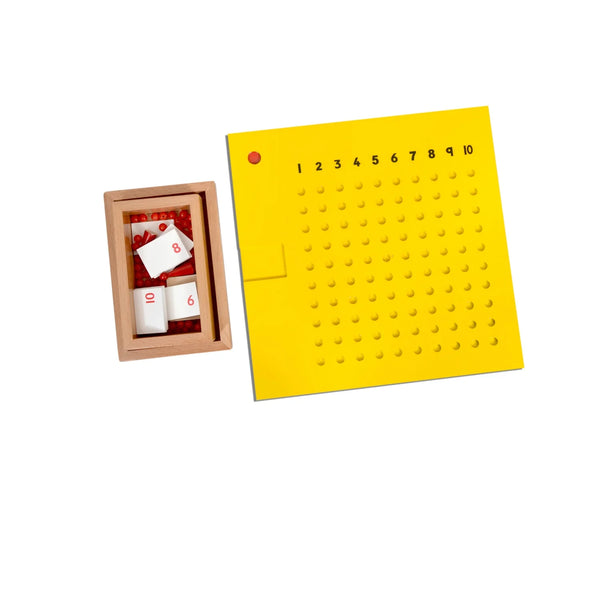
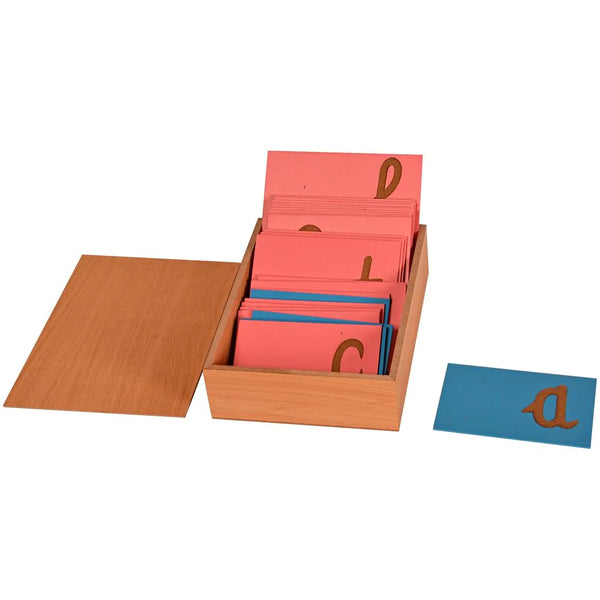
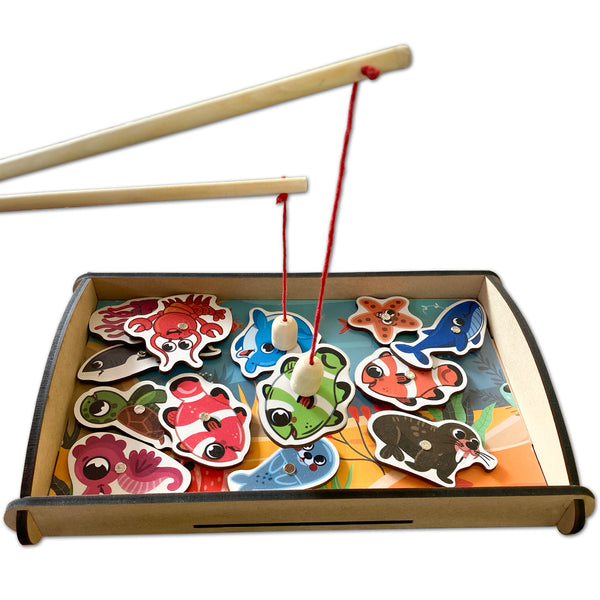
The choice of educational toys for home for primary schoolers is crucial in a Montessori environment. Rather than an overwhelming quantity, focus on quality, purpose-driven materials that invite exploration and skill development. These are not mere playthings but tools for learning, designed to isolate concepts and build upon previous knowledge.
For children aged 5-8, materials that encourage logical reasoning, problem-solving, and fine motor refinement are excellent. Consider complex puzzles, geography materials, language activity kits, and practical life activities like sweeping, sewing, or preparing simple snacks. These hands-on experiences are invaluable, helping children internalize abstract concepts and develop a strong sense of accomplishment.
When selecting materials, opt for those that allow for self-correction, enabling children to identify and fix their own mistakes without adult intervention. This builds resilience and self-reliance. SkilloToys offers a wide range of age-appropriate activity kits and Montessori materials that align perfectly with these principles, fostering engagement and a love for learning.
Fostering Child's Well-being in School and Beyond with Montessori Principles
The Montessori approach extends beyond academics; it deeply nurtures a child's well-being in school and all aspects of life. By fostering independence and a sense of agency at home, children develop crucial emotional regulation skills. This is particularly important in India, where academic pressures can sometimes overshadow holistic development.
Maria Montessori's philosophy emphasizes treating children with profound respect, allowing them freedom within limits. This means trusting their innate drive to learn and explore, observing their interests, and offering support when needed. Children who feel respected and capable at home are more likely to approach school challenges with confidence and a positive outlook.
By providing opportunities for choice and self-correction, the home environment helps children develop problem-solving skills and resilience. Studies indicate that children in environments promoting independence develop stronger critical thinking abilities, a critical asset in India's competitive academic landscape and a key to overall well-being.
Improving Child Focus at Home: Practical Montessori Strategies for Indian Families
Improving child focus at home is achievable through consistent application of Montessori strategies, adaptable even in busy Indian family settings. Establish predictable routines that include uninterrupted work cycles, allowing children to engage deeply with an activity without constant interruption. This consistency provides a sense of security and structure, which aids concentration.
Minimize distractions from electronics, television, or excessive background noise during dedicated learning times. While joint families bring warmth and support, it's helpful to communicate the importance of these focused periods to grandparents and other family members, who often play a significant role in a child's daily life. They can be wonderful allies in maintaining the prepared environment.
Offer freedom within limits. Children choose their activities from the available, prepared materials and decide how long to work on them. This autonomy significantly boosts their engagement and ability to concentrate. Observe your child to understand their interests and readiness for new materials, rather than dictating what they should learn.
Supporting Learning at Home in India: Embracing the Prepared Environment
Supporting learning at home India requires a conscious effort to embrace the principles of a Montessori prepared environment. This means not just having the right materials but creating an atmosphere of respect, curiosity, and peaceful concentration. It's about empowering children to take ownership of their learning journey.
For parents of primary schoolers (5-8), this prepared environment serves as a haven where children can recharge and deepen their understanding after a day at school, especially when facing infrastructural or social challenges. It's a space where they can pursue their passions, develop practical life skills relevant to Indian homes, and foster a lifelong love for discovery.
Child development experts agree that a supportive home learning environment significantly contributes to a child's academic success and emotional stability. By integrating Montessori principles, Indian families can provide a powerful antidote to external pressures, ensuring their children not only cope but truly thrive.
- A Montessori learning environment at home enhances focus and well-being for primary schoolers (5-8).
- Order, accessibility, and purposeful materials are crucial for a child's prepared learning space.
- Research indicates that a prepared environment significantly improves a child's concentration and engagement.
- Parental observation and guidance are essential for fostering a child's independence and love for learning.
- Thoughtfully selected educational toys support the development of cognitive and fine motor skills.
- Montessori principles at home build resilience, helping children manage academic pressures effectively.
How can I create a Montessori learning environment in a small Indian home?
Even in compact Indian homes, a Montessori environment can be created by dedicating a specific, tidy corner for learning materials. Use low, accessible shelving and involve your child in organizing their space, ensuring materials are always returned to their designated spots.
What kind of educational toys are best for primary schoolers (5-8) in a Montessori home?
For primary schoolers, educational toys that encourage logical thinking, problem-solving, and practical life skills are ideal. Examples include complex puzzles, geography materials, language activity kits, and tools for simple household tasks, all promoting independent exploration and mastery.
How does a Montessori home environment help with school academic pressure in India?
A Montessori home environment fosters self-discipline, concentration, and intrinsic motivation, which are critical for managing academic pressure. By developing a love for learning and strong foundational skills at home, children approach school challenges with greater confidence and less anxiety.
Can Montessori principles be applied in joint family settings in India?
Yes, Montessori principles thrive in joint family settings by emphasizing respect, collaboration, and observation. Grandparents and other family members can support the child's independence by respecting their work cycles and offering guidance rather than interference, creating a harmonious learning atmosphere.
What is the role of parents in a Montessori learning environment at home?
Parents in a Montessori home act as careful observers and guides, preparing the environment and presenting activities when appropriate. Their role is to facilitate the child's natural development, trusting the child's innate drive to learn, and stepping back when the child is engaged.