Montessori Toys: Bridging Primary School Gaps in India (5-8 Years)
Montessori toys for primary school learning gaps India offer a powerful solution for children aged 5-8 navigating challenges in the traditional education system. Research shows these materials provide a structured, self-directed learning environment that builds essential foundational skills, mitigating developmental impacts when primary schools struggle to deliver comprehensive education.
The recent concerns highlighted by 'India's Vanishing Primary School' resonate deeply with parents across the nation, from bustling Bengaluru to quiet villages. Many Indian families grapple with the dual anxieties of ensuring quality education and managing the immense academic pressure placed on young minds. When primary schools face systemic issues, whether due to inadequate resources, teacher shortages, or accessibility problems, the developmental trajectory of children aged 5-8 years can be significantly impacted.
Understanding these hurdles is the first step towards empowering our children. While parents strive for the best, the reality often means seeking alternative or supplementary methods to ensure their child's holistic development isn't compromised. This is where the proven principles of Montessori education, integrated through purposeful toys and activities, offer a valuable pathway.
What are Montessori Toys for Bridging Learning Gaps?
Montessori toys for bridging learning gaps are meticulously designed educational materials that promote self-directed, hands-on learning, empowering children to master concepts at their own pace. This matters because they foster independence, critical thinking, and a deep understanding of subjects often overlooked in rote-learning environments. Indian parents can integrate these tools at home to supplement formal schooling or address specific developmental needs.
Understanding the Impact of Primary School Challenges on Indian Children
The state of primary education in India presents a complex landscape, often leaving parents searching for effective home learning solutions India primary school. When foundational learning experiences are inconsistent, children aged 5-8 years may develop significant developmental gaps in areas like literacy, numeracy, problem-solving, and even social-emotional skills. Child development experts agree that early primary years are critical for building a robust cognitive framework.
Studies indicate that children in inadequately supported primary schools may struggle with basic reading comprehension or mathematical reasoning, leading to increased academic pressure in India. This impact extends beyond academics, affecting confidence, curiosity, and a child's overall enthusiasm for learning. Many joint families find grandparents playing a crucial role in providing support, yet a structured educational approach is often needed to truly bridge these gaps effectively.
How Montessori Principles Address Educational Gaps (5-8 Years)
Montessori to overcome school deficiencies offers a pedagogical approach centered on the child's innate desire to learn and explore. For children aged 5-8, this translates into an environment where they are actively engaged, rather than passively receiving information. Maria Montessori's philosophy emphasizes concrete experiences before abstract concepts, a crucial aspect often missing in large classroom settings.
This method focuses on developing concentration, independence, and a sense of order, skills that are transferable across all aspects of life and learning. By allowing children to choose their activities and work at their own pace, Montessori education reduces pressure and fosters genuine curiosity. It's a stark contrast to traditional systems that might inadvertently suppress a child's individual learning rhythm.
Practical Home Learning Solutions for Primary School Children in India
Creating a Montessori-inspired learning space at home doesn't require an entire classroom; rather, it focuses on intentionality and providing accessible, engaging materials. Simple adjustments, like designating a "work mat" area or organizing activity kits on low shelves, can empower a child aged 5-8 to take ownership of their learning. This empowers them to explore, make mistakes, and self-correct, fostering resilience.
Indian parents can integrate these practices into daily routines, from helping with household chores to engaging in traditional art forms, enhancing fine motor skills and cultural understanding. The goal is to make learning an integral, joyful part of home life, not an additional burden. This approach proves highly effective in bridging educational gaps 5-8 years India, creating a foundation for future academic success.
Specific Montessori Materials for Bridging Key Skills
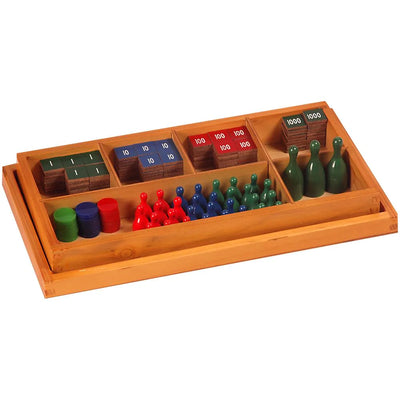
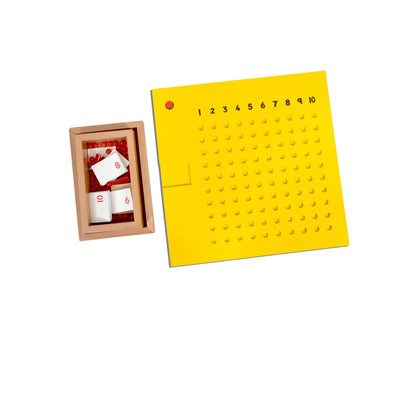
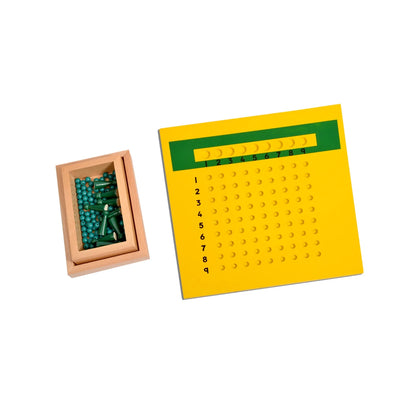
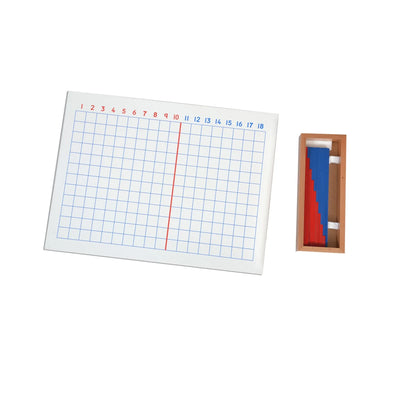
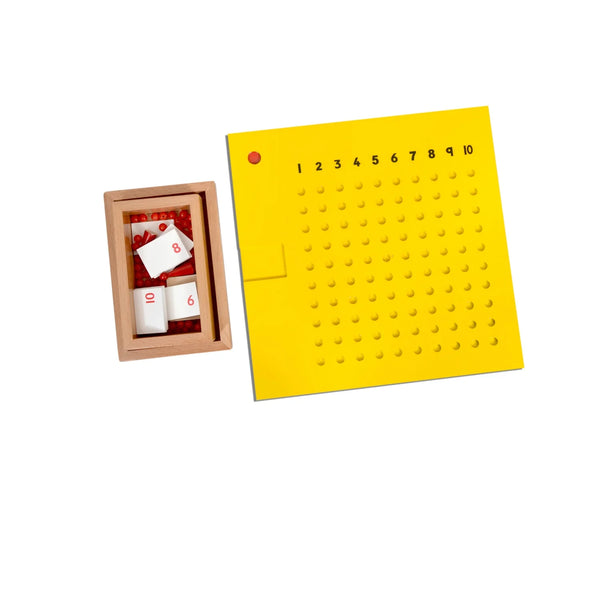
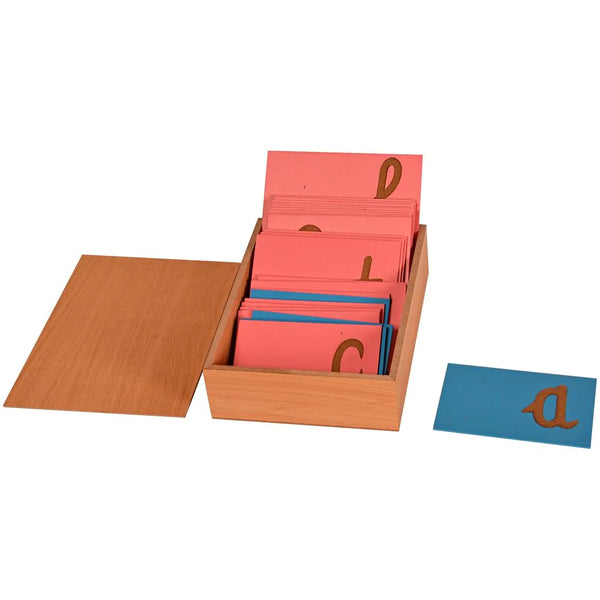
For educational toys for school challenges India, specific Montessori materials are invaluable in targeting areas where primary school education might fall short. For instance, the Pink Tower and Broad Stair develop visual discrimination and mathematical understanding through concrete manipulation. Sandpaper letters and movable alphabets are excellent for literacy, phonetics, and early reading skills, laying a strong foundation.
Geometric puzzles and fraction insets introduce complex mathematical concepts in an accessible, tactile way, making abstract ideas tangible. These materials are designed with a "control of error," allowing children to self-correct their work, building confidence and problem-solving abilities independently. This practical approach ensures that fundamental concepts are not just memorized, but deeply understood.
Fostering Holistic Development Beyond Academics
Beyond academic skills, Montessori education significantly contributes to holistic development, a key aspect when considering the child development impact of school quality India. It nurtures concentration, discipline, and a sense of responsibility – qualities essential for navigating life's challenges. These "soft skills" are often underdeveloped in systems focused purely on exam results.
Engaging with Montessori materials encourages patience, perseverance, and respect for one's own work and the work of others. This balanced approach ensures that children are not just academically prepared, but also emotionally intelligent and well-adjusted individuals, ready to thrive in a rapidly changing world. It's an anti-pressure approach that prioritizes the child's natural pace and well-being.
- Montessori toys provide a structured solution for primary school learning gaps in India.
- They foster self-directed learning, independence, and critical thinking for children aged 5-8.
- Montessori methods mitigate the developmental impact of inconsistent primary education.
- Home-based Montessori learning reduces academic pressure and builds foundational skills.
- Specific materials target literacy, numeracy, and problem-solving in a tangible way.
- Holistic development, including social-emotional skills, is a core benefit for Indian children.
How do Montessori toys specifically help with primary school learning gaps?
Montessori toys address learning gaps by providing concrete, self-correcting materials that allow children to explore concepts at their own pace, solidifying understanding before moving to abstract ideas. This method builds foundational skills in literacy, numeracy, and practical life, which might be missed in overcrowded or under-resourced traditional classrooms.
Are Montessori toys effective for children aged 5-8 years?
Yes, Montessori toys are highly effective for children aged 5-8 years, an age band known as the "second plane of development" in Montessori philosophy. During this period, children are moving towards abstract thought and reasoning, and specific Montessori materials like the movable alphabet, golden beads, and grammar boxes support this cognitive transition effectively.
Can Montessori materials truly replace traditional schooling to some extent?
While Montessori materials are designed to be a complete educational system, for children facing school deficiencies, they can significantly supplement and, in some areas, bridge the gaps left by traditional schooling. They provide a strong foundation in core subjects and life skills, empowering children to catch up or even excel beyond their peers in conventional settings.
How can Indian parents integrate Montessori learning at home?
Indian parents can integrate Montessori at home by creating a prepared environment with accessible, organized materials and encouraging self-directed play and exploration. Incorporating daily practical life activities, like helping with cooking or gardening, also fosters independence and motor skills. Focus on observation and supporting your child's natural curiosity.
What are some essential Montessori materials for primary school children?
Essential Montessori materials for primary school children (5-8 years) include the Movable Alphabet for language, Golden Beads for mathematics, Fraction Insets for understanding parts and wholes, and various sensorial materials for refining senses and perception. Practical life tools like dressing frames also continue to be beneficial for developing fine motor skills and independence.