Right to Education Reimbursement India: Montessori for 5-8 Learning
Montessori toys significantly support children aged 5-8 years benefiting from Right to Education reimbursement India schemes by providing a self-paced, hands-on learning environment that complements formal schooling and fosters holistic development. Research shows these materials build strong foundational skills, reduce academic pressure, and empower children from diverse backgrounds to thrive academically and personally.
For many Indian parents, navigating the complexities of their child's early school years, particularly concerning quality education and academic pressure, is a paramount concern. The discussion around 'School Education: From Right to Reimbursement' highlights the ongoing need for robust educational support, especially for children leveraging the RTE Act.
What is India's Right to Education Act?
The Right to Education (RTE) Act, 2009, guarantees free and compulsory education for children aged 6 to 14 in India. This matters because it ensures equitable access to schooling, particularly through reimbursement schemes for Economically Weaker Sections (EWS) in private schools. Indian parents can leverage this act to provide quality education and supplemental learning resources at home.
Bridging Learning Gaps with Montessori for Government School Children
Indian families face a varied educational landscape, with many children, especially from EWS backgrounds, attending government schools or navigating diverse standards in private institutions, as explored in articles like 'Why 4 in 10 Indian children go to private schools.' Child development experts agree that a consistent, stimulating learning environment is crucial for children aged 5-8 years, regardless of their school type. Montessori educational toys provide exactly this, offering concrete, self-correcting materials that reinforce concepts learned in school.
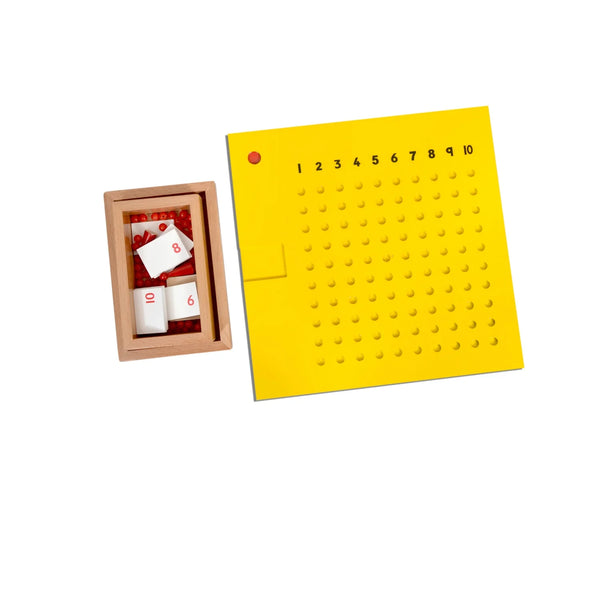
These tools encourage active participation and critical thinking, moving beyond rote memorization often associated with high academic pressure in India. For instance, children can explore abstract mathematical concepts using physical manipulatives like number rods or develop literacy skills with the movable alphabet, enhancing their understanding and confidence in subjects like Maths and Hindi. This hands-on approach directly addresses learning gaps and prepares them for future academic challenges, promoting a deeper understanding over surface-level knowledge.
Empowering EWS Students: Quality Education Access with Educational Toys
The reimbursement schemes under the RTE Act offer a crucial opportunity for parents to secure admission in private schools, but the home learning environment remains paramount for sustained academic success. Studies indicate that children who have access to engaging, developmentally appropriate learning tools at home perform better in school, reinforcing the importance of a well-equipped home for quality education access India. Montessori-aligned educational toys provide a solid foundation, ensuring quality educational access for every child, including EWS students.
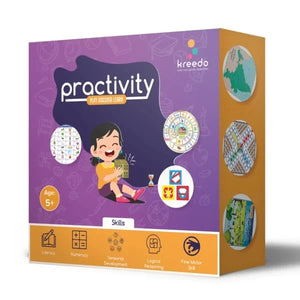
These resources, such as engaging puzzles and enriching activityKits, are designed to engage children's natural curiosity and encourage independent problem-solving. They allow children to learn at their own pace, exploring subjects from geography to science through tactile exploration. This personalized approach is invaluable for EWS students, ensuring they receive the rich, stimulating educational support that might otherwise be less accessible, contributing significantly to their overall development.
Nurturing Holistic Development Beyond Textbooks
While academic achievement is often a primary concern for Indian parents, especially with the intense competition, Montessori education prioritizes holistic development, fostering skills far beyond textbook knowledge. Maria Montessori emphasized developing the 'whole child' – intellectually, emotionally, socially, and physically. This anti-pressure philosophy ensures children aged 5-8 learn resilience, concentration, and practical life skills crucial for thriving in a complex world, aligning with the sentiment of 'What Every Government School Child Deserves.'
A significant challenge for children in primary school years is managing academic pressure, a concern widely discussed in India. Providing opportunities for self-directed learning at home, often supported by grandparents and joint families, allows children to de-stress and reconnect with the joy of discovery. This balanced approach ensures they are not only prepared for exams but also grow into well-rounded individuals capable of critical thought, embodying the spirit of active learning that fuels a 'New Politics in India.'
Practical Primary School Learning Support at Home
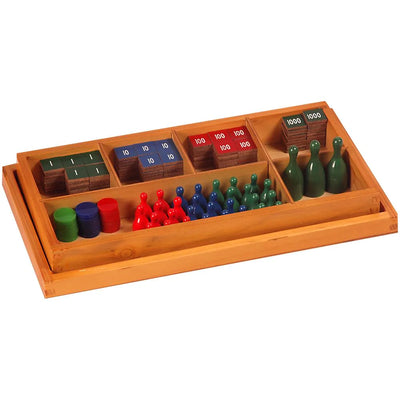
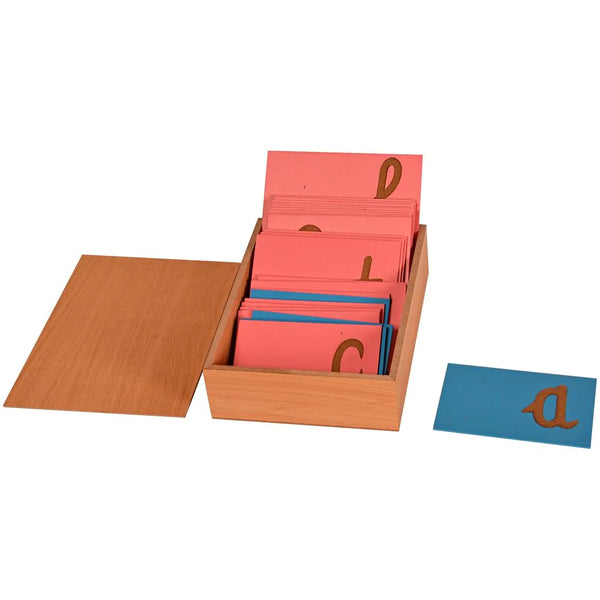
Montessori materials offer concrete primary school learning support, seamlessly integrating with the curriculum taught in both government and private schools. For language development, materials like sandpaper letters help children connect sounds with symbols, enhancing reading and writing readiness. Similarly, mathematical concepts introduced in school can be solidified at home with golden beads or fraction insets, making abstract ideas tangible and understandable for children aged 5-8.
SkilloToys offers a wide range of materials from our main collection that can transform any home into a vibrant learning space. Engaging with these materials fosters independence, concentration, and a love for learning, which are vital traits for children navigating their early school years. This active engagement at home ensures children are not just passive recipients of information but active participants in their educational journey, preparing them for future success and fostering lifelong curiosity.
- Montessori toys bolster learning for children benefiting from Right to Education reimbursement India schemes.
- Hands-on Montessori materials bridge academic gaps in diverse Indian school environments (5-8 years).
- Empowering EWS students with educational toys provides equitable access to quality home learning.
- Holistic development, not just academics, is a core benefit of Montessori for primary schoolers.
- Montessori helps reduce academic pressure by fostering self-directed, joyful learning.
- Research indicates Montessori enhances foundational skills, preparing children for academic success.
How do Montessori toys specifically help children in India benefiting from RTE reimbursement?
Montessori toys provide a self-correcting, hands-on approach that complements formal schooling by reinforcing concepts and filling learning gaps, especially for children aged 5-8. This independent learning fosters confidence and a deeper understanding of subjects, ensuring children fully benefit from their Right to Education reimbursement India.
Are Montessori materials suitable for children attending government schools in India?
Yes, Montessori materials are highly beneficial for children attending government schools in India. They offer a strong foundational learning experience, promoting active engagement and critical thinking that might not always be available in traditional classroom settings, enhancing overall educational quality.
How can Montessori toys help reduce academic pressure on primary school children (5-8 years) in India?
Montessori toys reduce academic pressure by promoting self-paced, joyful learning rather than rote memorization. Children learn through discovery and practical application, which builds intrinsic motivation and confidence, fostering a love for learning that extends beyond exams and traditional schooling.
What types of Montessori educational toys are best for primary school children aged 5-8?
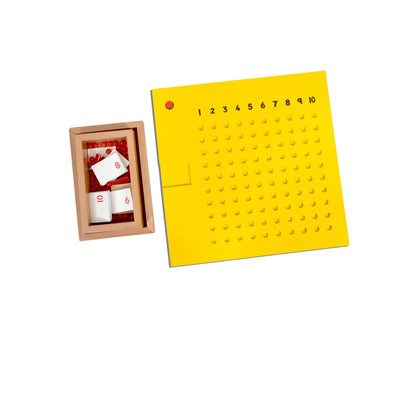
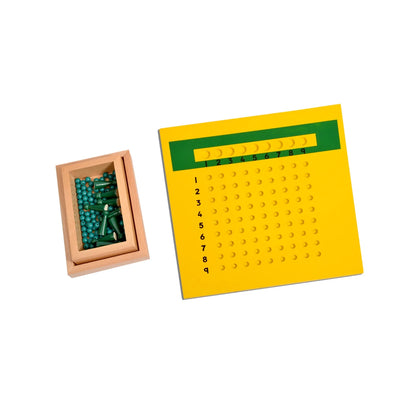
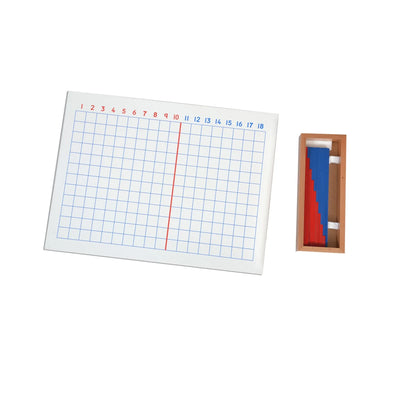
For primary school children aged 5-8, materials focusing on language development (movable alphabet, grammar boxes), mathematics (golden beads, fraction insets), cultural studies (maps, globes), and practical life skills are highly effective. These materials support curriculum topics while encouraging independence and problem-solving.
Can Montessori learning truly ensure quality education access India for all children, including EWS students?
While not a standalone solution, Montessori learning, particularly through accessible educational toys at home, significantly contributes to ensuring quality education access India. It provides EWS students with robust foundational skills and a rich learning environment, helping them thrive academically and personally, regardless of their school's resources.