Wooden Toys for Kids: Skills for Primary School Success (5-8)
When navigating the pressures of primary school in India, many parents seek ways to support their child's development beyond textbooks. High-quality wooden toys for kids aged 5-8 offer a timeless and effective approach to nurturing foundational skills, crucial for both academic success and holistic well-being. These durable, eco-friendly tools empower children to learn through play, building resilience amidst a demanding educational landscape.
Research indicates that engaging with simple, open-ended materials significantly enhances cognitive development, contrasting with the often rigid structures of formal schooling. Child development experts agree that children learn best through active exploration and interaction with their environment. Wooden toys provide exactly this opportunity, allowing young minds to construct knowledge at their own pace.
What are Montessori Wooden Toys?
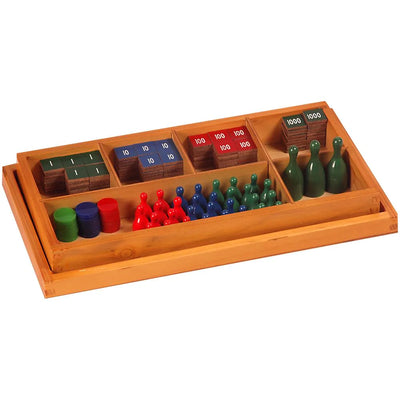
Montessori wooden toys are educational materials crafted from natural wood, designed to be simple, self-correcting, and aesthetically pleasing. They focus on specific skill development, encouraging independent exploration and logical thinking. This matters because they foster concentration, problem-solving, and a deep understanding of concepts. Indian parents can integrate these toys into home learning to complement school education, providing a balanced developmental environment.
Benefits of Wooden Toys: Building Foundational Skills for Primary School
The academic rigour in India can be intense, even for primary schoolers. From early morning school runs to evening tuition classes, the focus often leans heavily on rote learning and exam performance. In this environment, benefits of wooden toys shine through as they provide a crucial counterbalance, fostering skills that make learning joyful and sustainable.
Studies consistently show that children who engage in open-ended, self-directed play develop stronger executive functions. This includes critical thinking, impulse control, and working memory – all vital for navigating complex school assignments and competitive exams. Unlike electronic toys that dictate play, wooden toys demand imagination and active participation.
Fostering Critical Thinking & Problem Solving
Imagine a 7-year-old in Bengaluru, attempting to build a sturdy bridge with wooden blocks. Each collapse is a lesson in physics; each successful span, a triumph of engineering. This process is pure problem-solving. Research from the American Academy of Pediatrics highlights that unstructured play is essential for developing critical thinking, a skill often overlooked in curricula that prioritize memorisation.
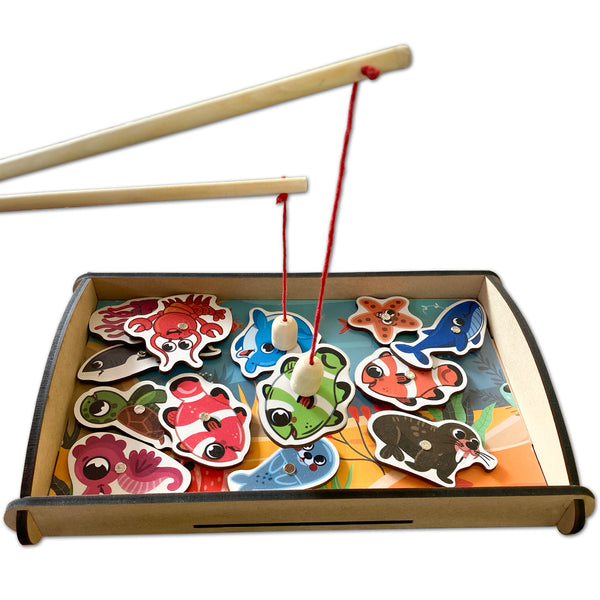
Wooden puzzles, for example, challenge children to analyse shapes, patterns, and spatial relationships. These aren't just fun activities; they are direct training for logical reasoning, an invaluable asset whether they're tackling a math problem or understanding a science concept. SkilloToys offers a variety of wooden puzzles that cater to different skill levels, promoting persistent effort and analytical thought.
Enhancing Fine Motor Skills & Hand-Eye Coordination
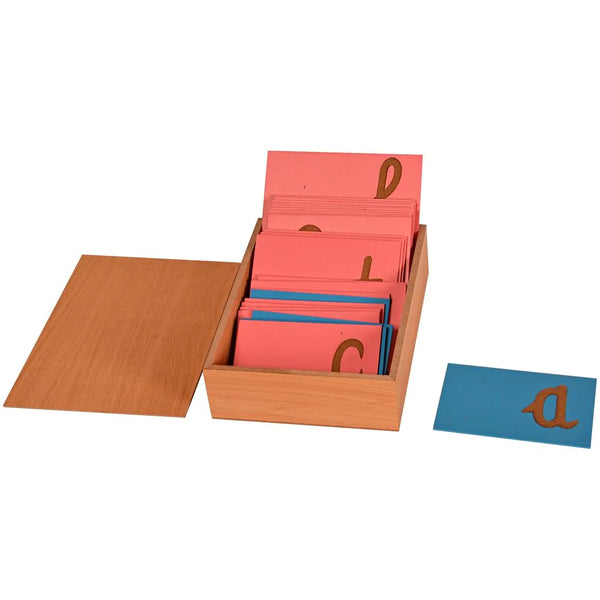
From writing legible notes to performing laboratory experiments later in life, fine motor skills are paramount. The tactile nature of wooden toys – stacking blocks, manipulating small pieces in an activity kit, or tracing letters – provides rich sensory input that refines these crucial abilities. Grandparents in joint families often instinctively understand this, encouraging children to engage with traditional wooden games.
Maria Montessori herself emphasised the importance of purposeful handwork for developing intelligence. When a child carefully places a wooden bead or fits a small component into an activity kit, they are not just playing; they are strengthening the neural pathways connecting mind and muscle. This direct, sensory engagement is far more impactful than passive screen interaction, helping children prepare for the physical demands of classroom tasks.
Nurturing Emotional Regulation & Focus
In a world of constant digital stimulation, focus and emotional regulation are becoming rare commodities, especially for primary schoolers juggling academics and extracurriculars. Wooden toys, with their simplicity and quiet nature, provide a calm oasis for children. The absence of flashing lights and loud noises allows children to concentrate deeply on their play, extending their attention spans.
This sustained engagement helps children learn to manage frustration when a tower tumbles or a puzzle piece doesn't fit immediately. They develop resilience, understanding that persistence leads to success. This inner calm and self-regulation are invaluable tools for handling academic stress, a prevalent concern for Indian parents, as news reports frequently highlight the strain on the education system.
Eco-Friendly Educational Toys: A Sustainable Choice for Indian Homes
Beyond their developmental advantages, eco-friendly educational toys offer a sustainable choice for conscious Indian households. Made from renewable resources, wooden toys have a significantly smaller environmental footprint compared to plastic alternatives. This aligns with a growing awareness among urban Indian families about environmental responsibility and reducing waste.
Furthermore, their inherent durability means they withstand years of enthusiastic play, often becoming cherished heirlooms passed down through generations. This longevity offers excellent value for money, a practical consideration for many Indian families. Investing in high-quality wooden toys is an investment in both your child's future and the planet's.
Choosing the Right Montessori Wooden Toys for Kids (5-8 Years)
Selecting the ideal Montessori wooden toys India offers for your 5-8-year-old involves observing your child's current interests and developmental stage. Look for toys that encourage open-ended play, creativity, and problem-solving. Think beyond rigid instructions and towards possibilities.
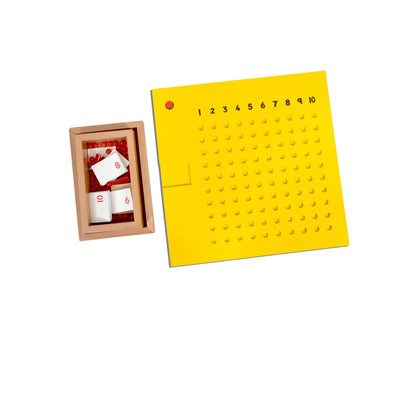
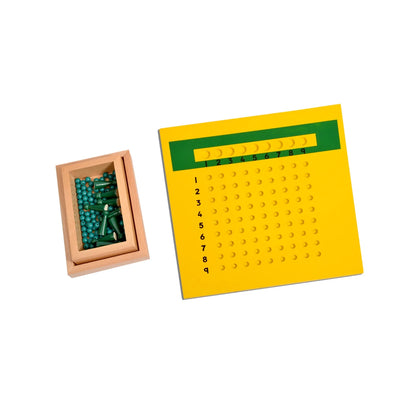
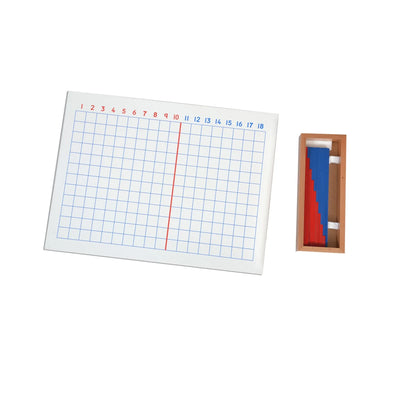
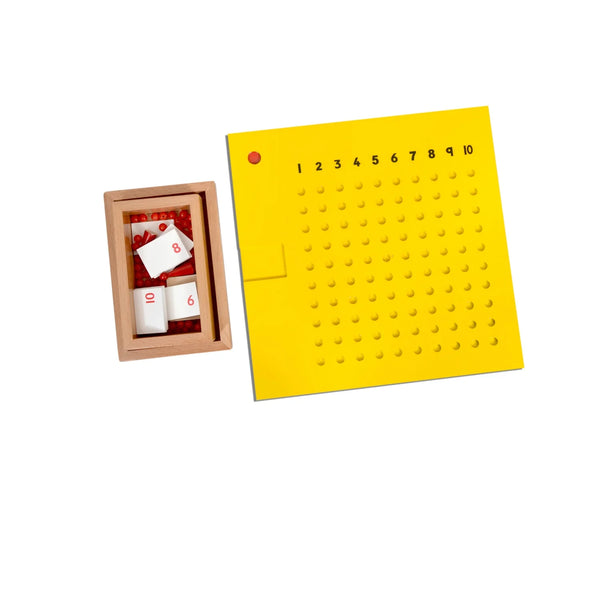
Consider items like wooden building blocks, which can be used to construct anything from a family home to a spaceship, fostering imagination. Geometric shape sorters and pattern-making sets are excellent for developing mathematical reasoning and spatial awareness. For language development, look for wooden alphabet or number sets that children can manipulate and arrange.
Remember, the best toy isn't the one with the most features, but the one that allows your child to be the most active participant in their own learning. By choosing classic wooden toys, you're not just providing entertainment; you're offering powerful tools for foundational skill development that will serve them well through primary school and beyond, fostering resilient learners who thrive amidst India's academic landscape.