Toys for 4 Year Old Boys: Primary School Ready Play in India
Choosing the right **toys for 4 year old boys** is pivotal for setting a strong foundation for primary school success in India, focusing on holistic development rather than just academic drills. These developmentally appropriate toys nurture crucial skills like concentration, problem-solving, and independence, preparing children for the classroom environment without the pressure of formal academics. Research consistently shows that engaging in purposeful play builds the cognitive and emotional resilience vital for adapting to structured learning environments.
For parents in India, the journey towards primary school often comes with anxieties, especially with the rising trend of private schools and the associated academic pressures. Countercurrents.org highlights India's 'vanishing primary school' infrastructure, pushing more families towards private options where early academic readiness is often emphasized. This makes the selection of enriching educational tools even more critical.
Montessori Toys for 4 Year Olds: Building Primary School Readiness
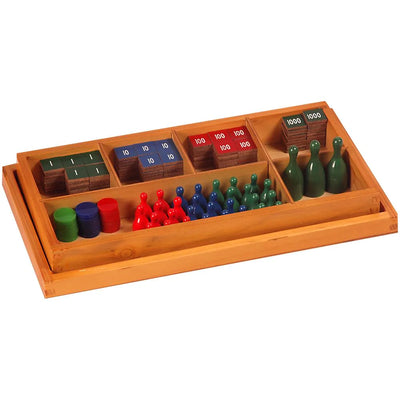
Montessori toys are purposefully designed, self-correcting materials that encourage children to explore, discover, and learn independently through hands-on experience. This matters because they cultivate concentration, fine motor skills, and an intrinsic love for learning essential for structured school environments. Indian parents can integrate these simple, engaging tools into daily play to foster deep understanding and readiness.
Maria Montessori's philosophy, based on observing children, underscores that play is not just leisure but the child's most significant work. For a 4-year-old boy, this 'work' involves active engagement that develops executive functions – crucial skills like working memory, flexible thinking, and self-control. These are far more valuable for primary school adaptation than early rote memorization of alphabets or numbers.
Fostering Focus and Independence: The Montessori Way
At four, a child's attention span is rapidly developing. Montessori toys, with their singular focus and clear purpose, naturally extend concentration. Think of a 4-year-old, like Aarya from Bengaluru, meticulously placing pieces of a wooden puzzle or sorting colored beads. This isn't just play; it's training his brain to focus on a task from start to finish – a skill highly valued in any classroom.
Independence is another cornerstone. As children handle materials themselves, correcting their own mistakes, they build self-reliance. This fosters a 'can-do' attitude, reducing reliance on constant adult intervention. This self-efficacy is vital for navigating the social and academic challenges of primary school in India, where classrooms can be large and individual attention limited.
Practical Life Skills for the Indian Classroom
While often overlooked, practical life skills are paramount for school readiness. These include simple tasks like pouring water without spilling, buttoning a shirt, or cleaning up after play. For an Indian child growing up in a joint family, these skills are often learned through observation but can be refined with specific Montessori activity kits. Mastering these skills builds confidence and fosters a sense of responsibility.
Imagine a child who can independently manage their water bottle, pack their bag, or tidy their desk. These aren't academic skills, but they significantly contribute to a smoother school day, allowing the child to focus on learning rather than logistics. NCERT's early childhood education framework emphasizes the importance of these self-help skills for holistic development.
Language and Early Literacy through Play
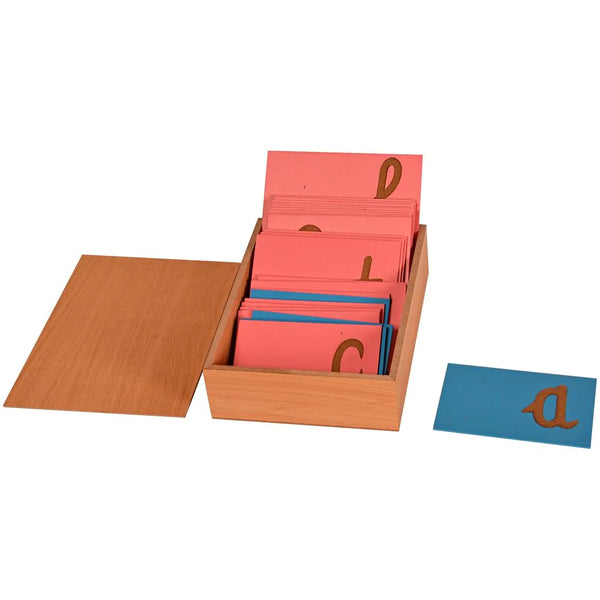
At age four, language development explodes. Montessori toys like sandpaper letters or phonetic object boxes engage multiple senses, making the abstract concept of language concrete. When a child traces a letter or matches an object to its initial sound, they are not just memorizing; they are experiencing language through touch and sound.
This multisensory approach is particularly effective in India, where children often learn multiple languages simultaneously. Moreover, the act of describing their play, telling stories about their block creations, or discussing a new concept with grandparents fosters rich vocabulary and communication skills – foundations for reading and writing.
Building Foundational Math Concepts
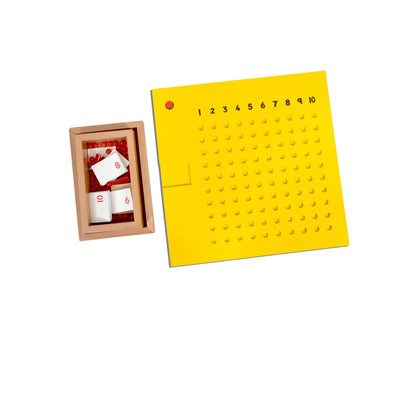
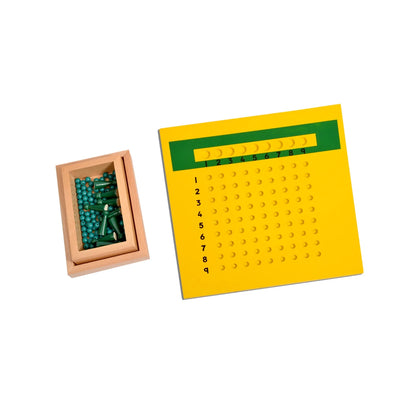
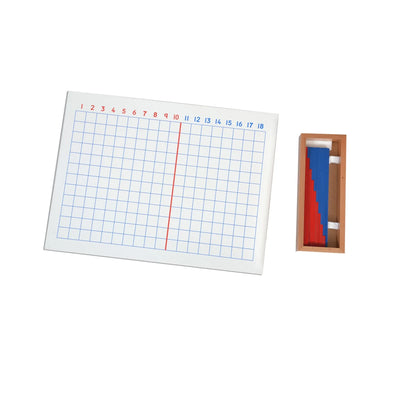
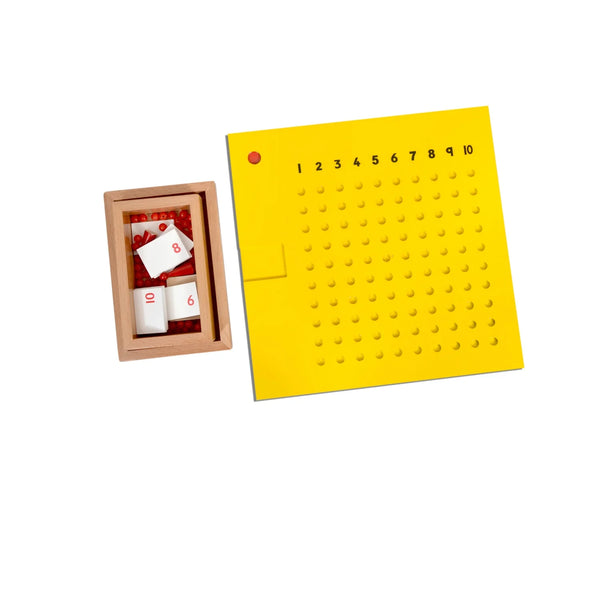
Montessori materials introduce mathematical concepts in a tangible, sequential way. For a 4-year-old, this could be counting beads, understanding quantity through the number rods, or exploring geometric shapes. These experiences build a concrete understanding of abstract mathematical principles, rather than just rote counting.
Studies indicate that children who grasp foundational math concepts through hands-on exploration tend to perform better in formal math education later. These early, positive experiences with math can prevent the development of math anxiety, a common issue as children face increasing academic pressure in India's primary schools.
Addressing Academic Pressure, The Indian Way
The push for early academic success in India is palpable. Newslaundry reports that 'Why 4 in 10 Indian children go to private schools' is often driven by perceived quality and the desire for a head start. However, child development experts agree that formal academics too early can be counterproductive, leading to burnout and a dislike for learning. SkilloToys advocates for a balanced approach.
Instead of flashcards and worksheets, purposeful play with Montessori materials offers a joyful, stress-free path to readiness. For instance, engaging with a Montessori activity set for building fine motor skills is far more beneficial than forcing a child to write before their hand muscles are ready. It's about developing the child from within, respecting their natural pace of development.
Remember the non-obvious insight: kids who play with simple, open-ended wooden toys develop stronger problem-solving skills and richer imaginations than kids constantly engaged with fancy electronic toys. The 'boring' toy makes the child do the imagining, which is where real cognitive growth happens. This shifts the paradigm from passive consumption of entertainment to active creation of understanding.
Grandparents often play a significant role in Indian households. Encourage them to engage with these toys, narrate stories, and observe the child's interactions. This not only strengthens intergenerational bonds but also provides valuable insights into the child's learning style and preferences. The simple act of playing Ludo or carrom with dadi, for example, strengthens numerical and strategic thinking in a culturally resonant way.
What kind of toys are best for 4-year-old boys in India?
The best toys for 4-year-old boys in India are open-ended, educational, and developmentally appropriate, encouraging exploration, problem-solving, and fine motor skill development. Montessori-inspired materials like building blocks, puzzles, and practical life tools are ideal for fostering independence and concentration.
How do Montessori toys prepare 4-year-olds for primary school in India?
Montessori toys prepare 4-year-olds for primary school by developing foundational skills such as concentration, fine motor coordination, problem-solving, and self-discipline. These materials encourage independent learning and practical life skills, crucial for adapting to the structured environment of Indian primary schools.
Are electronic gadgets good developmental toys for 4-year-olds?
Electronic gadgets are generally not considered optimal developmental toys for 4-year-olds as they can limit imaginative play and social interaction. Child development experts recommend open-ended, tangible toys that require active participation and problem-solving, fostering deeper cognitive and creative growth.
What is the importance of practical life skills for a 4-year-old boy's school readiness?
Practical life skills, such as dressing themselves, pouring water, or cleaning up, are crucial for a 4-year-old boy's school readiness as they build independence, responsibility, and fine motor control. These skills translate directly into confidence and competence in a classroom setting, making transitions smoother.
How can I encourage my 4-year-old boy's love for learning without academic pressure?
Encourage your 4-year-old boy's love for learning by providing a rich environment for self-directed play with engaging educational toys and materials. Focus on fostering curiosity, exploration, and problem-solving rather than rote memorization, celebrating effort and discovery over perfect outcomes.
- Montessori toys foster critical primary school readiness skills in 4-year-old boys, like focus and independence.
- Purposeful play through specific toys strengthens executive functions crucial for classroom success, not just rote learning.
- Integrating practical life activities into play helps Indian children develop self-care and social skills needed in school.
- Screen-free, open-ended toys encourage imagination and problem-solving more effectively than digital alternatives.
- Parental observation and providing engaging, self-correcting materials are key to a child's natural learning process.
- Choosing quality educational toys alleviates academic pressure by building foundational skills holistically.