Wooden Puzzles for Kids: Boosting Academic Skills (5-8) in India
For Indian parents navigating the crucial primary school years (5-8), the quest to support academic development while shielding children from undue pressure is constant. Choosing the right wooden puzzles for kids at this age can make a significant difference, acting as powerful tools to boost specific academic skills from the comfort of home. These Montessori-aligned materials move beyond simple entertainment, offering a practical, hands-on approach to foundational learning.
Montessori wooden puzzles are carefully crafted, self-correcting educational tools designed to isolate a single concept or skill. They are distinct from conventional toys as they empower children to learn through independent exploration and repetition, building intrinsic motivation. For Indian parents, this means providing a foundational learning aid that respects a child's natural developmental pace amidst competitive academic environments.
Targeting Math Mastery with Montessori Wooden Puzzles (5-8)
Mathematical foundations are built on concrete experiences. For primary schoolers, abstract numbers can be challenging without tangible references. Research by the American Academy of Pediatrics highlights the crucial role of hands-on play in developing executive functions like problem-solving and cognitive flexibility, which are direct precursors to academic success.
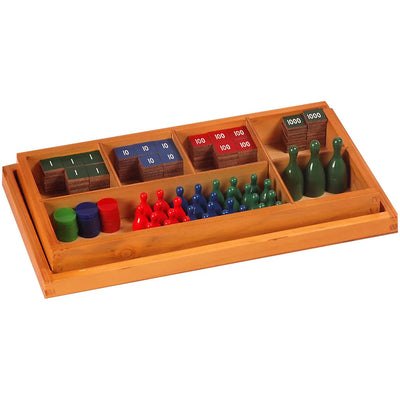
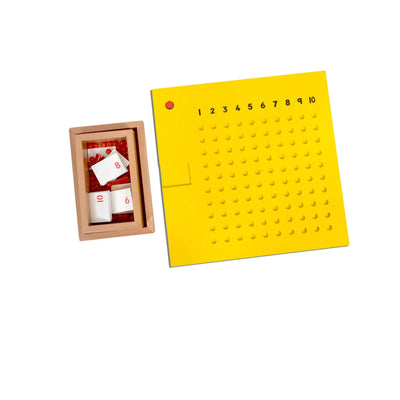
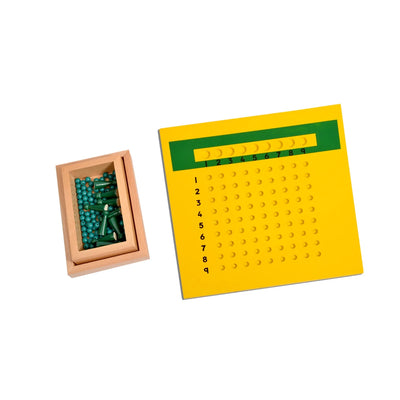
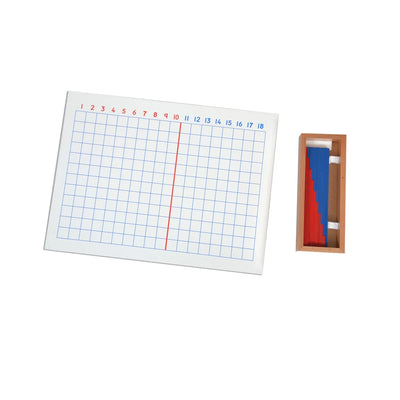
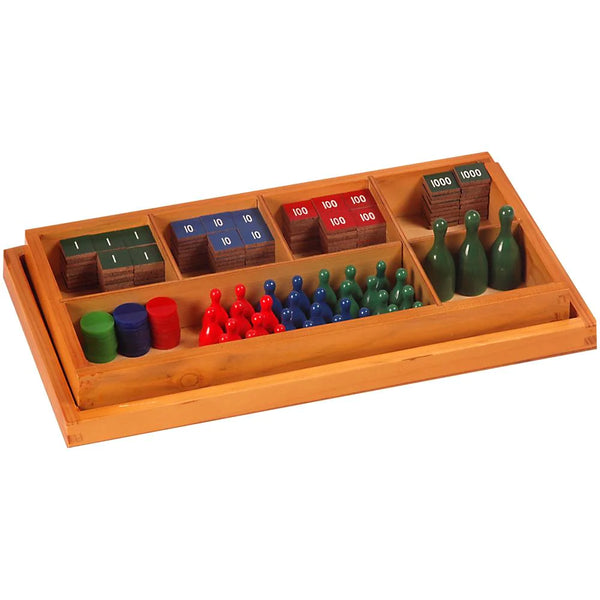
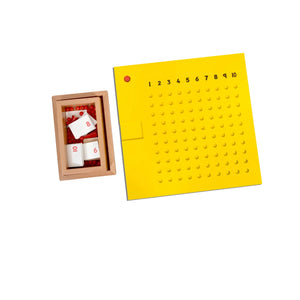
Montessori wooden puzzles specifically designed for math, such as number rods, fraction circles, and geometric shape insets, provide these essential concrete experiences. A child in Bengaluru, learning about fractions, might struggle with a textbook diagram. Handing them a set of wooden fraction puzzles, where they physically combine halves and quarters, makes the concept tangible and intuitive. This direct manipulation builds a deeper understanding than rote memorization alone, preparing them for more complex arithmetic.
These puzzles help children visualise quantities, understand part-to-whole relationships, and develop spatial reasoning vital for geometry. The consistent tactile feedback reinforces learning, making math less daunting and more of an exciting discovery. Explore a range of puzzles that make abstract math concepts tangible and engaging.
Fostering Literacy & Language Skills with Educational Wooden Puzzles Primary School
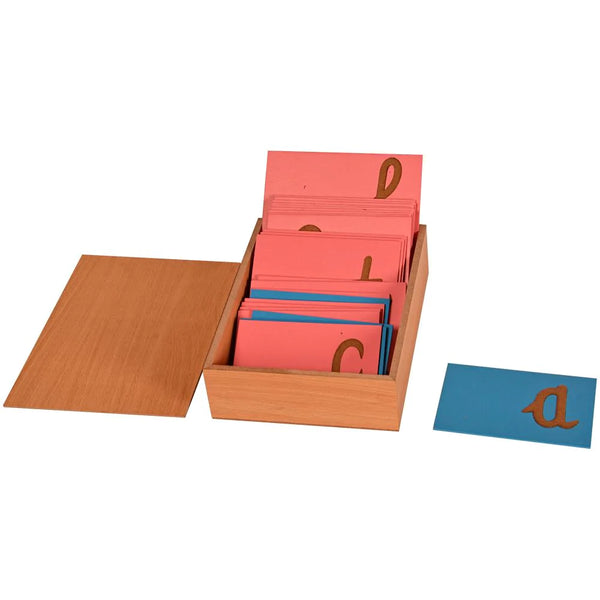
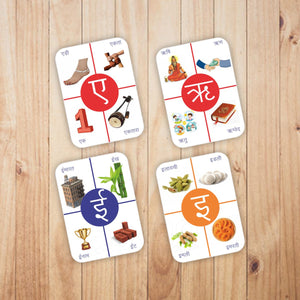
Developing strong literacy skills is paramount in primary school, impacting every other subject. Educational wooden puzzles for primary schoolers can significantly enhance language acquisition, phonics, and early reading. Think of sandpaper letters, moveable alphabets, and phonetic object boxes – these Montessori classics are often reimagined as engaging wooden puzzles.
For young learners like Aarav, aged 6, who is navigating Hindi and English alphabets simultaneously, an alphabet puzzle allows him to physically manipulate letters, matching shapes and sounds. This multisensory approach is crucial for solidifying letter recognition and understanding phonics. Studies from the National Centre for Education Statistics (NCES) indicate that children who engage in structured play activities demonstrate improved spatial reasoning and mathematical abilities, which often correlate with stronger literacy skills.
Beyond individual letters, sequencing puzzles with story elements or logical progression encourage narrative understanding and verbal expression. As children arrange pieces to tell a story, they naturally develop vocabulary, comprehension, and the ability to articulate sequences – skills invaluable for reading comprehension and writing.
Building Critical Thinking & Problem Solving with Wooden Puzzles for Learning
Academic success in India increasingly demands more than just memorisation; critical thinking, logical reasoning, and problem-solving are vital. This is where activity kits and wooden puzzles for learning shine brightest. Puzzles that involve patterns, spatial reasoning, and multi-step solutions challenge a child's intellect in a supportive way.
Consider a tangram set or a geometric puzzle where pieces must be arranged to form specific shapes or pictures. These activities require children to analyse the problem, plan their steps, experiment with different configurations, and adapt when initial attempts fail. This process mirrors the scientific method on a small scale, cultivating resilience and a growth mindset.
For children aged 5-8, engaging with complex wooden block puzzles or logic mazes fosters sustained attention and perseverance – qualities essential for tackling challenging academic tasks. A child who learns to patiently solve a wooden puzzle at home, perhaps with encouragement from a Dadi observing nearby, carries that same problem-solving approach into their classroom assignments.
Choosing Montessori Wooden Puzzles for Academic Skills India
When selecting Montessori wooden puzzles for academic skills in India, consider your child's current developmental stage and specific learning goals. Is your child struggling with number recognition, or are they ready for basic algebra concepts presented visually? Look for puzzles that isolate a particular skill, offer a challenge, but also allow for self-correction.
Prioritise puzzles made from natural, durable wood, ensuring safety and longevity. Observe how your child interacts with different materials. A child who finds comfort in the smooth finish of a wooden block might be more engaged with a tactile fraction puzzle. Remember, the goal is to provide tools that complement formal education, not replace it, fostering a love for learning rather than adding another layer of pressure.
In a landscape where formal education can be overwhelming, as highlighted by reports like 'The rising cost of learning in India', thoughtful home-based learning materials become indispensable. Montessori wooden puzzles provide an accessible, effective way to empower your child's academic journey, promoting holistic development that extends far beyond textbook knowledge. They equip children with skills to navigate the world confidently, one wooden piece at a time.