Educational Toys: Primary School Pressure in India (5-8)
Educational toys play a pivotal role in mitigating primary school academic pressure in India by fostering holistic development, enhancing critical thinking, and building resilience. They transform learning from rote memorization into an engaging, self-directed process, equipping children aged 5-8 with essential life skills to navigate demanding curricula while maintaining their joy of discovery.
Educational toys for primary schoolers are specifically designed tools that encourage active learning, problem-solving, and skill development beyond textbooks. They provide hands-on experiences crucial for cognitive, social, and emotional growth, complementing formal education by making abstract concepts tangible and fostering a love for learning.
Academic Pressure Solutions: Beyond Rote Learning
In many Indian homes, particularly in metros like Bengaluru, the phrase "primary school" often conjures images of heavy school bags, late-night tuition, and parental anxiety over grades. The emphasis on rote learning and competitive examinations, even from an early age, can stifle natural curiosity and creativity. The UNICEF report on every child in school highlights the aspiration for universal education, yet the ground reality often involves immense pressure.
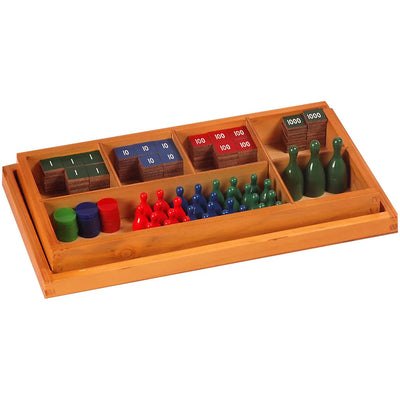
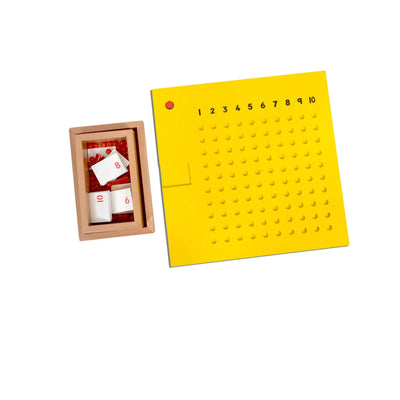
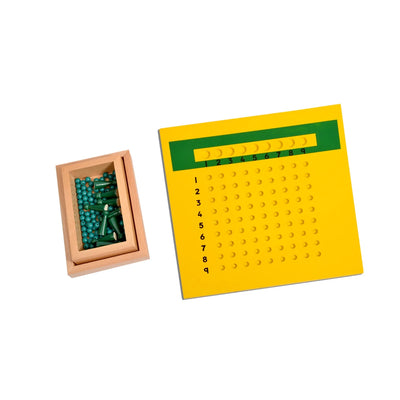
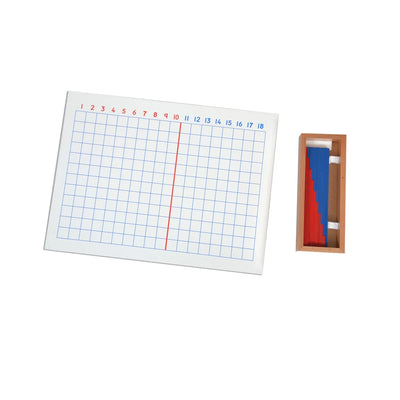
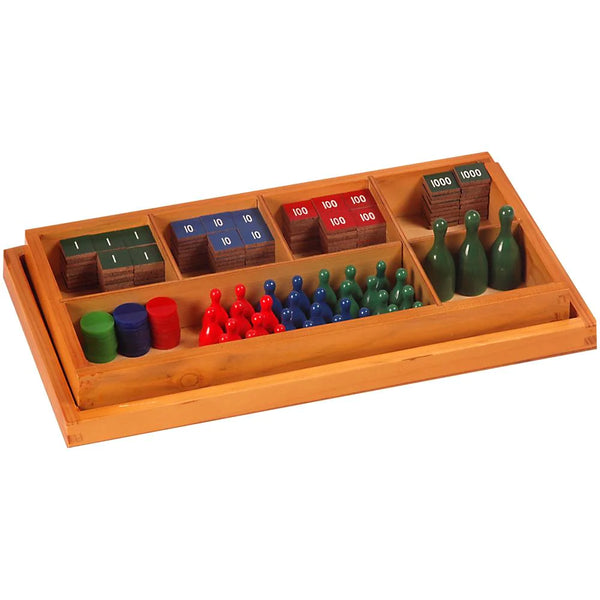
Educational toys offer a powerful counter-narrative. They shift the focus from merely absorbing facts to actively understanding concepts and applying knowledge. Instead of just memorizing multiplication tables, a child using mathematical game boards develops a tangible grasp of numbers, making learning intuitive and less stressful.
Cultivating Core Skills with Montessori Educational Toys India
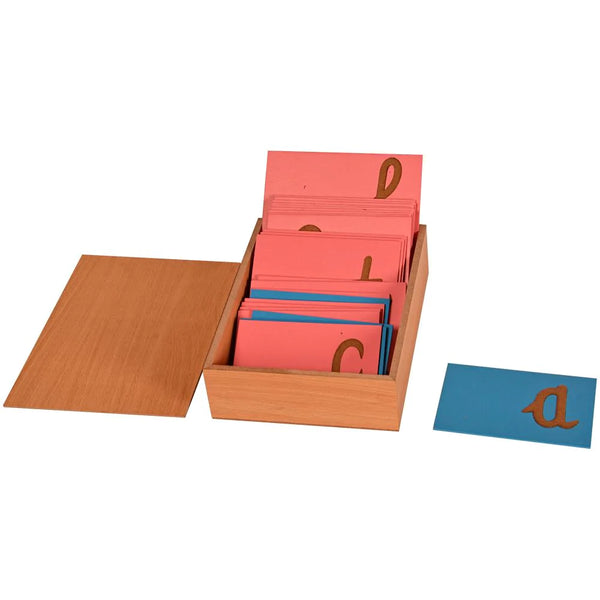
The Montessori philosophy, championed by Maria Montessori, stresses the importance of hands-on, self-directed learning. This approach is profoundly relevant for primary schoolers, especially when navigating India's demanding academic environment. Montessori educational toys India provide children aged 5-8 with opportunities to develop crucial skills that textbooks alone often miss.
Research consistently shows that engaging with structured play significantly boosts critical thinking, problem-solving abilities, and fine motor skills. For instance, a child meticulously assembling complex puzzles or constructing elaborate models is not just playing; they are exercising spatial reasoning and logical deduction. These foundational skills are indispensable for excelling in subjects like mathematics and science, moving beyond simply recalling information to genuinely understanding it.
Holistic Development Toys: Nurturing the Whole Child
The true measure of a child's success extends beyond report card scores. Holistic development toys are designed to nurture every facet of a child's being: cognitive, emotional, social, and physical. When a child like seven-year-old Arjun in a Bengaluru joint family engages with an activity kit to build a mini-robot, he's not just learning about mechanics; he's also developing patience, perseverance, and the ability to work through frustration – crucial emotional regulation skills for managing academic challenges.
Child development experts agree that children who have ample opportunities for free, guided play are more emotionally resilient and adaptable. This resilience is vital in a school system that, as TheWire.in points out, often struggles with quality and accessibility, leaving parents to seek supplementary support. Play becomes a powerful tool for mental well-being, allowing children to process complex ideas and emotions in a safe, engaging way.
The Grandparent Factor: Playful Learning in Joint Families
In many Indian homes, grandparents play an integral role in a child's upbringing. They often have the time and wisdom to engage children in traditional games or encourage focused play with educational toys. This intergenerational interaction enhances social skills, language development, and imparts cultural values, while reinforcing the learning gained from the toys. A Dadi or Nanu guiding a child through a strategic board game or a building challenge offers unique support that can subtly alleviate academic pressure.
Choosing Learning Toys for 5-8 Year Olds: A Parent's Guide
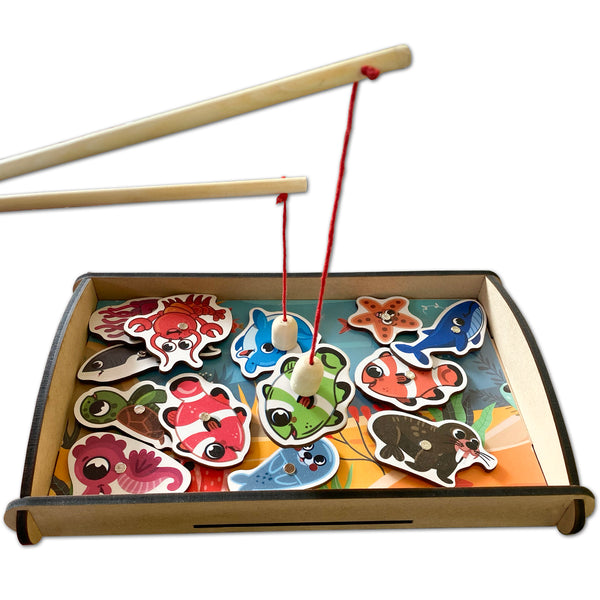
Selecting the right educational toys for primary schoolers is about aligning them with developmental stages and individual interests, rather than just academic subjects. Look for toys that: require critical thinking and problem-solving, encourage creativity and open-ended play, foster fine motor skills, and promote social interaction (if multi-player). A study by the American Academy of Pediatrics highlighted that play with simple, engaging toys fosters better cognitive and social outcomes than screen-based activities or overly complex electronic toys.
When you explore the extensive range of Montessori method learning materials and toys at SkilloToys, consider how each item can support your child's innate curiosity and provide a joyful learning experience. Prioritise toys that allow for active participation and discovery, giving your child the tools to thrive in primary school and beyond.
Empowering your child with the right educational tools is one of the most proactive steps you can take to help them navigate the pressures of primary school in India. By integrating purposeful play into their routine, you're not just buying toys; you're investing in their holistic development, fostering a lifelong love for learning, and equipping them with resilience for the challenges ahead.