Educational Toys: Countering Rote Learning in Indian Primary Schools
In Indian primary schools, where academic pressure often leads to a heavy reliance on rote memorization, educational toys offer a powerful alternative, fostering practical application and experiential learning in children aged 5-8 years. These specially designed tools provide a hands-on approach that cultivates deeper understanding, directly countering the limitations of learning by rote.
For parents navigating the demands of the Indian education system, the challenge is real. As the UNICEF emphasizes in its work on Early Childhood Education, foundational learning experiences are crucial for lifelong development. Yet, for many primary school children in bustling cities like Bengaluru, learning often means memorizing textbooks for exams, leaving little room for genuine inquiry or application. This approach, while sometimes yielding short-term results, often hinders critical thinking and a true love for learning.
What is Experiential Learning?
Experiential learning is the process of learning through direct experience and reflection, where children actively engage with materials and situations to construct knowledge. This matters because it leads to deeper, more meaningful understanding and retention than passive reception of information. Indian parents can facilitate this by integrating interactive, educational tools into their child's daily routine at home.
Why Rote Learning Fails Indian Primary Students (5-8 Years)
The traditional emphasis on rote learning in many Indian schools, often driven by large class sizes and examination systems, prioritizes recall over comprehension. This approach can be seen in common classroom scenarios where children are asked to recite multiplication tables or historical dates without understanding the underlying concepts or their real-world relevance. Research indicates that while rote memorization helps pass exams, it rarely translates into the ability to apply knowledge in novel situations or solve complex problems.
For a 7-year-old like Ananya, who diligently memorizes her science textbook, this can mean excelling in tests but struggling to explain why a plant needs sunlight or how a simple machine works in her grandmother's kitchen. Child development experts agree that learning without understanding quickly fades, leaving children ill-equipped for higher-order thinking. This gap is a critical concern for Indian parents who envision a future for their children beyond just academic grades.
Educational Toys: Building Practical Skills and Conceptual Understanding
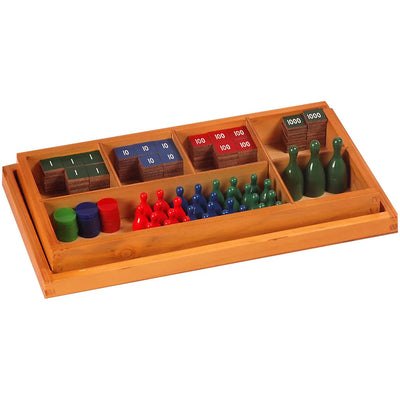
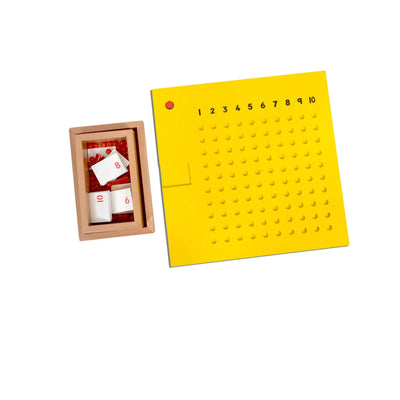
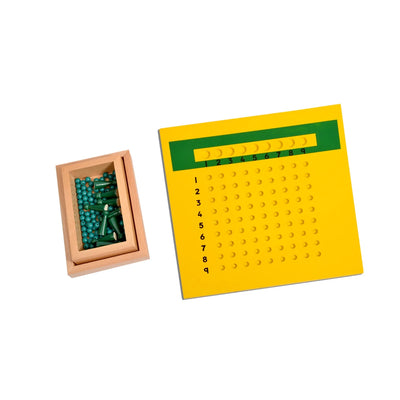
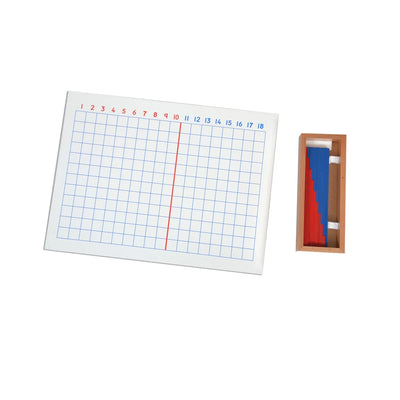
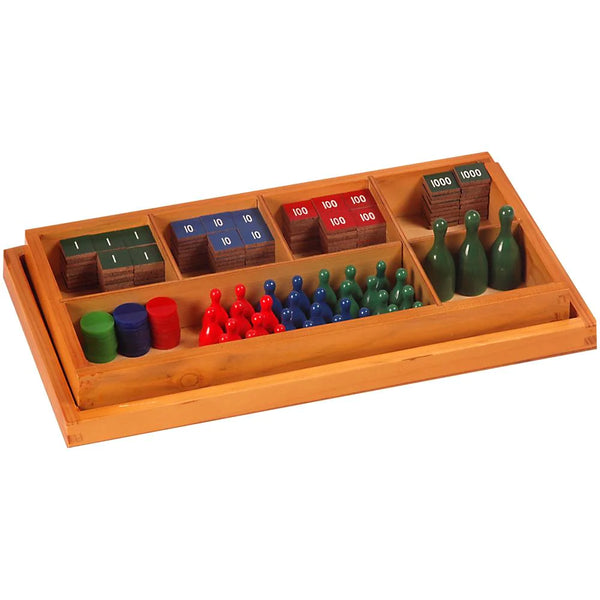
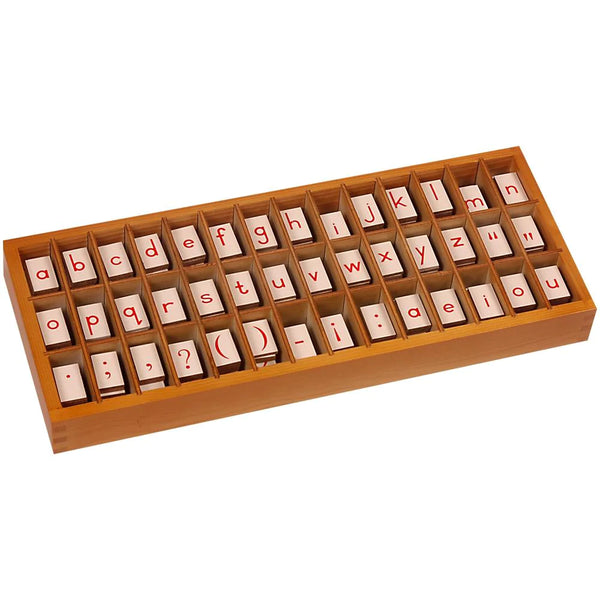
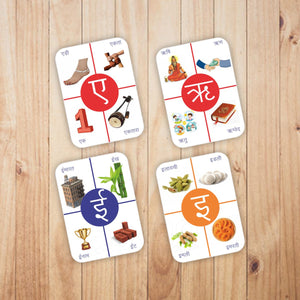
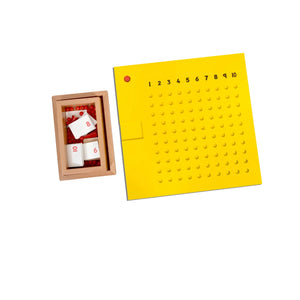
Montessori-inspired educational toys intrinsically promote hands-on engagement, making abstract concepts tangible for primary school children. Unlike textbooks, these materials invite children to interact, explore, and discover. For example, a child working with Montessori learning materials like number rods or sandpaper letters isn't just seeing a symbol; they are feeling its texture, understanding its quantity through physical manipulation, or tracing its shape to connect sound and form. This direct interaction bypasses mere memorization, fostering a deep conceptual understanding.
Fostering Experiential Learning India Needs
Experiential learning in India is not just a Western concept; it resonates deeply with our tradition of learning through apprenticeship and observation. When children manipulate blocks to understand spatial relationships or use sorting trays to grasp classification, they are actively constructing their knowledge. This 'doing' aspect is vital for children aged 5-8, who are naturally curious and thrive on exploration. They learn from their mistakes, not through fear of reprimand, but through the inherent feedback of the material itself. This iterative process builds resilience and a robust understanding that rote learning cannot replicate.
Montessori Anti-Rote Learning: The Power of Self-Correction
One of the most profound aspects of Montessori anti-rote learning, facilitated by its unique educational toys, is the emphasis on self-correction. Imagine a child attempting to fit puzzles or stacking a tower of varying sizes. The design of the toy itself provides immediate feedback—the pieces either fit perfectly, or they don't; the tower either stands balanced, or it tumbles. This immediate, non-judgmental feedback allows the child to identify and correct their errors independently, without external intervention. This process significantly reduces the fear of being wrong, which is often ingrained by rote-learning environments where mistakes are penalized. Instead, children develop a sense of agency and confidence in their problem-solving abilities, transforming 'failure' into a step towards mastery.
Hands-On Learning for Kids: Developing Core Cognitive Abilities
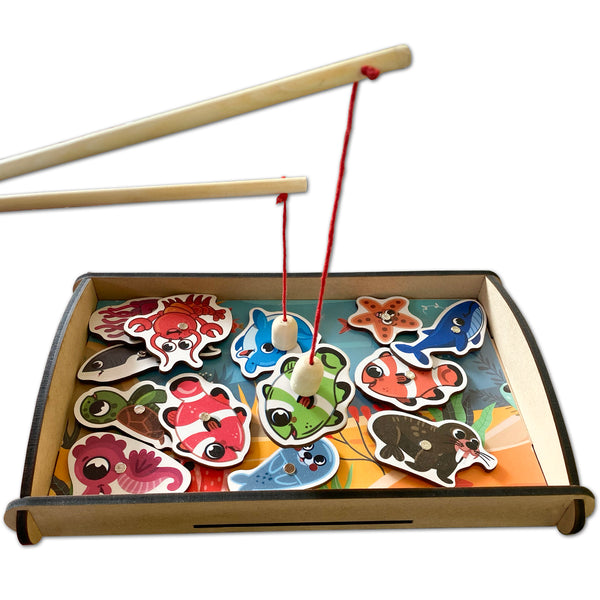
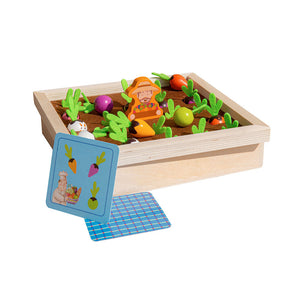
Beyond conceptual understanding, hands-on learning with **educational toys** for kids develops crucial cognitive abilities that extend far beyond the classroom. A child engaged with an activity kit that involves building a model or creating a craft is simultaneously honing fine motor skills, spatial reasoning, and creative problem-solving. These are not merely supplementary skills; they are foundational for critical thinking and innovation. Studies indicate that children who engage in regular hands-on play demonstrate stronger executive function skills, including planning, attention, and working memory.
Practical Education India: Bridging the School-Home Gap
For Indian parents, bridging the gap between formal schooling and a holistic learning environment at home is essential. By consciously incorporating practical education tools like Montessori-inspired toys, families can create spaces where learning is an adventure, not a chore. Even in a joint family setting, grandparents can participate by observing and encouraging their grandchildren, turning playtime into meaningful learning experiences. This approach empowers children to apply concepts they learn, transforming abstract knowledge into tangible skills they can use in their daily lives, from helping Dadi sort vegetables to calculating shares during a family game.
Choosing the right educational toys allows your child to develop a genuine passion for learning, equipping them with skills that go beyond memorized facts. It's about empowering them to question, explore, and understand the world around them, preparing them for a future where critical thinking and adaptability are paramount.