Homeschooling Curriculum India: Montessori for Primary (5-8)
Designing an effective homeschooling curriculum in India for children aged 5-8 years often leads parents to seek frameworks that nurture true understanding and independence, moving beyond conventional pressures. Montessori principles offer a highly effective and holistic approach for this primary age group, focusing on child-led learning within a carefully prepared environment. This methodology cultivates concentration, self-discipline, and a genuine love for exploration, providing a robust educational foundation right at home.
What is Montessori Homeschooling for Primary Children?
Montessori homeschooling for primary children (ages 5-8) is an educational approach that applies Dr. Maria Montessori's pedagogical principles in a home setting. It emphasizes self-directed learning through hands-on materials within a structured, child-centric environment. This method supports a child's natural curiosity and innate drive to learn, fostering independence and deep conceptual understanding.
Why Montessori Homeschooling India Meets Modern Parental Needs
For many Indian parents, the decision to homeschool for 5-8 year olds stems from a desire to provide an education that prioritizes holistic development over the intense academic pressure often seen in traditional systems. Montessori homeschooling aligns perfectly with this, allowing children to explore concepts at their own pace without the anxiety of constant evaluations. It's an empowering choice, especially when considering concerns about the quality and focus of some formal schooling, as occasionally highlighted in national dialogues on education.
Research consistently indicates that children in Montessori environments often demonstrate higher scores in executive function, problem-solving, and social cognition compared to peers in conventional settings. This focus on internal growth and cognitive development is critical. Moreover, it beautifully integrates with the cultural fabric of joint families, where grandparents can play a vital role in practical life skills and cultural transmission, making learning a community effort.
Crafting Your Homeschooling Curriculum for 5-8 Year Olds India
A Montessori curriculum for primary schoolers isn't a rigid timetable but a rich tapestry of interconnected subjects. For 5-8 year olds, this means moving from concrete exploration to more abstract reasoning, always rooted in hands-on experience. Parents become facilitators, observing their child's readiness and introducing appropriate 'work' to spark curiosity.
The Prepared Environment at Home: A Foundation for Learning
In a Montessori home, the learning space is not just a room; it's a 'prepared environment.' Even in a compact Bengaluru apartment, you can designate a small, organized area with accessible shelves, child-sized furniture, and inviting materials. Imagine the quiet focus as a child carefully places a puzzle piece into a geography puzzle, the smooth feel of the wooden continents in their hands, or the satisfying clunk of the beads on a numerical abacus.
This order helps a child develop internal discipline and a sense of calm. Everything has a place, and the child learns to return materials, fostering responsibility and respect for their learning tools. It's about making learning materials available and appealing, encouraging spontaneous engagement.
Embracing the Child-Led Approach: Freedom Within Limits
The essence of Montessori is 'follow the child.' For homeschooling for 5-8 year olds in India, this means observing your child's interests and readiness, rather than dictating what they must learn. If young Aarav shows an interest in planets, offer him materials related to the solar system; if Diya is captivated by numbers, introduce her to the golden beads or fractions.
This freedom within limits cultivates deep concentration and intrinsic motivation. A child who chooses their 'work' is far more engaged and likely to retain knowledge than one forced through a rigid curriculum. This self-directed work, whether mastering a complex science activity kit or practicing Hindi letters, naturally builds true self-discipline – an invaluable skill often misunderstood in the context of academic pressure.
Integrating Educational Toys for Homeschooling: Tools for Discovery
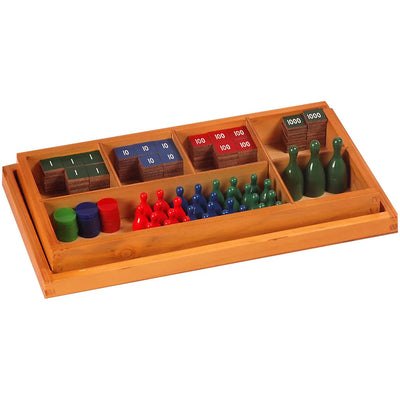
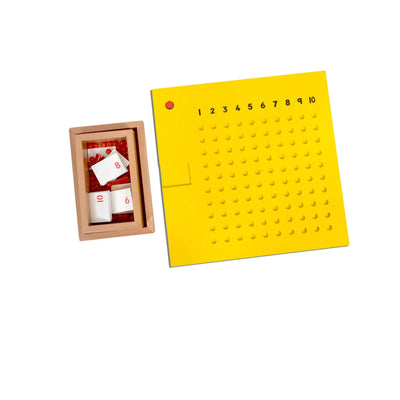
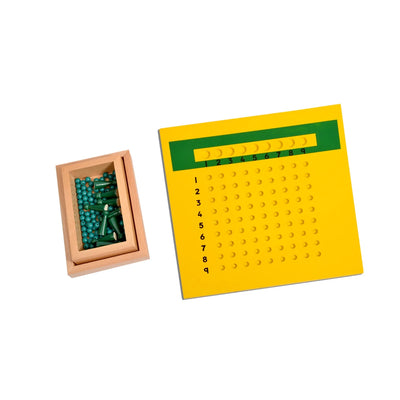
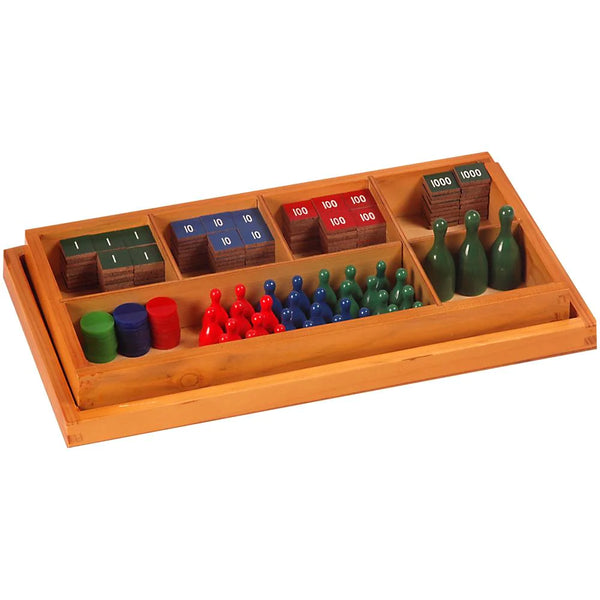
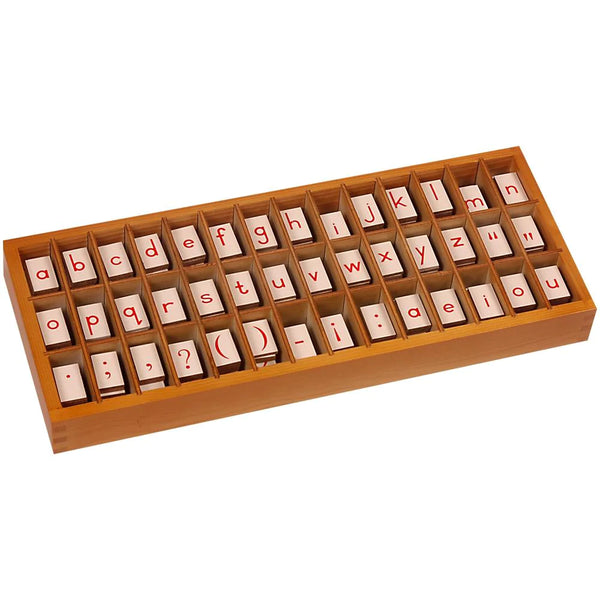
In a Montessori home, what might be called 'educational toys' are actually purposeful learning materials designed to isolate a concept and provide a hands-on pathway to understanding. For primary children, these include detailed grammar boxes, materials for exploring the decimal system, various geometry solids, and cultural materials like continent maps and historical timelines.
These materials are not just for fun; they are self-correcting, allowing the child to discover their own mistakes and learn from them without adult intervention. This process empowers the child, fostering critical thinking and problem-solving. SkilloToys offers a wide range of authentic Montessori method learning materials that seamlessly integrate into this curriculum, supporting every area of development.
Montessori at Home Primary: Beyond Academics
A truly holistic homeschooling curriculum extends beyond traditional subjects. For primary schoolers, practical life skills are paramount. Think of your 5-8 year old learning to make simple rotis, care for the household plants, or help sort groceries – these are vital experiences. Indian grandparents often intuitively encourage such activities, providing a natural extension of Montessori's practical life philosophy.
Cultural studies can be enriched by celebrating Indian festivals, learning about local traditions, or exploring regional crafts. Instead of just reading about Diwali, a child can help make diyas or prepare traditional sweets. This hands-on cultural immersion makes learning meaningful and connects it to their everyday life and heritage. NCERT's framework, for example, emphasizes experiential learning, a cornerstone of the Montessori approach.
Navigating the Indian Educational Landscape with Alternative Education
Choosing an alternative education India approach like Montessori homeschooling can sometimes raise questions about future academic transitions. However, children schooled this way typically develop strong foundational skills – deep understanding, critical thinking, adaptability, and self-reliance – which are highly advantageous. The emphasis is on truly understanding concepts rather than rote memorization, leading to a more profound and lasting grasp of knowledge.
While the state of education in India is often debated, empowering parents to provide a high-quality, child-centric education at home offers a compelling solution. Montessori homeschooling equips children not just with facts, but with the ability to think, inquire, and learn continuously, preparing them not just for examinations, but for life.