School Environment Impact on Primary Learning (5-8)
The physical and psychological school environment profoundly influences a child's academic journey, directly impacting their ability to learn and thrive, especially for children aged 5-8 years. Recent protests by Gen Alpha students in Uttar Pradesh demanding basic facilities like fans and furniture starkly highlight the critical impact of school environment on learning and overall well-being. A conducive setting fosters concentration, engagement, and a positive attitude towards education, while suboptimal conditions can significantly hinder development and fuel academic pressure.
A conducive primary school learning environment is a thoughtfully designed space that supports a child's holistic development and academic engagement. It provides safety, comfort, stimulating materials, and promotes independence and respect. This matters because school surroundings directly influence cognitive, social, and emotional growth. Indian parents can advocate for better facilities and create supportive home learning spaces.
The Critical Role of School Infrastructure in India
The quality of school infrastructure in India is a national conversation, underscored by recent student protests for basic amenities. Research shows that well-lit classrooms, proper ventilation, ergonomic furniture, and access to clean sanitation facilities significantly enhance student attendance, concentration, and overall academic performance. Conversely, dilapidated buildings, overcrowded rooms, and lack of essential comforts lead to discomfort, distractions, and even health issues, making it challenging for children to focus on their studies.
Studies indicate that approximately 4 in 10 Indian children attend private schools, often driven by parents' aspirations for better facilities and perceived quality of education, even if it strains family finances. This highlights a persistent gap in public education infrastructure. When a child is constantly battling heat in a poorly ventilated classroom or struggling with uncomfortable seating, their mental energy is diverted from learning concepts to managing discomfort. This directly contributes to increased academic pressure India faces, as children struggle to keep up in less-than-ideal conditions.
Beyond Bricks and Mortar: The Montessori Prepared Environment
While improving physical infrastructure is crucial, the concept of a "prepared environment" as championed by Dr. Maria Montessori offers a profound perspective on the ideal primary school learning environment. A Montessori prepared environment is a meticulously arranged space that is aesthetically pleasing, orderly, and designed specifically for the developmental needs and interests of children. Everything from the height of the shelves to the accessibility of materials is considered, fostering independence, self-direction, and a deep love for learning.
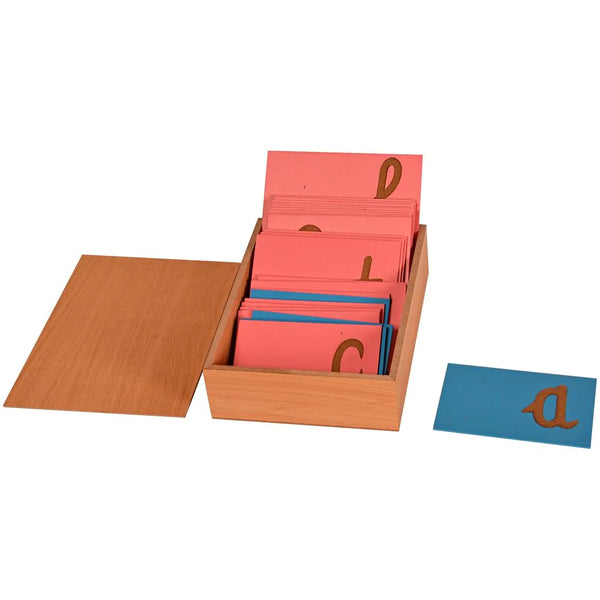
Child development experts agree that a truly supportive environment goes beyond just physical comfort. It involves creating a space where children feel safe to explore, make mistakes, and learn at their own pace. In a Montessori setting, children aged 5-8 would engage with specially designed materials like the Montessori Pink Tower or Sandpaper Letters, each with a specific purpose and 'control of error' built-in, allowing for self-correction. This contrasts sharply with environments where children lack agency and are forced into passive learning, struggling to engage meaningfully.
Addressing Academic Pressure in Indian Primary Schools
The relentless push for high scores and competitive entrance exams places immense academic pressure India's young students, including those in the 5-8 age group. A poor physical learning environment exacerbates this pressure, as children are expected to perform well despite challenging conditions. When schools lack adequate resources, children may fall behind, leading to frustration, anxiety, and a diminished sense of self-worth. This can also lead to disengagement, mirroring concerns raised about government school closures impacting education quality.
Conversely, a nurturing and well-equipped environment can significantly alleviate this pressure. When children feel comfortable, respected, and stimulated by their surroundings, they are more likely to enjoy learning and engage deeply with subjects. This holistic approach, valuing intrinsic motivation over rote memorisation, helps build resilient learners. Parents, alongside grandparents in joint families, play a vital role in reinforcing this at home, ensuring that the child's learning journey is seen as an adventure, not just a race.
Empowering Home Learning with Educational Toys
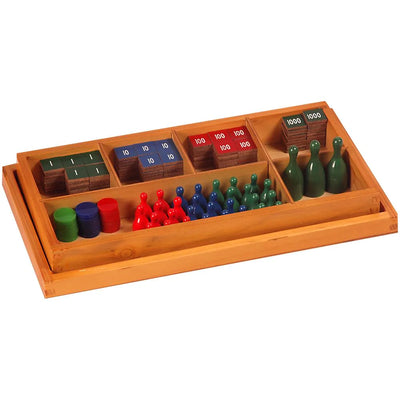
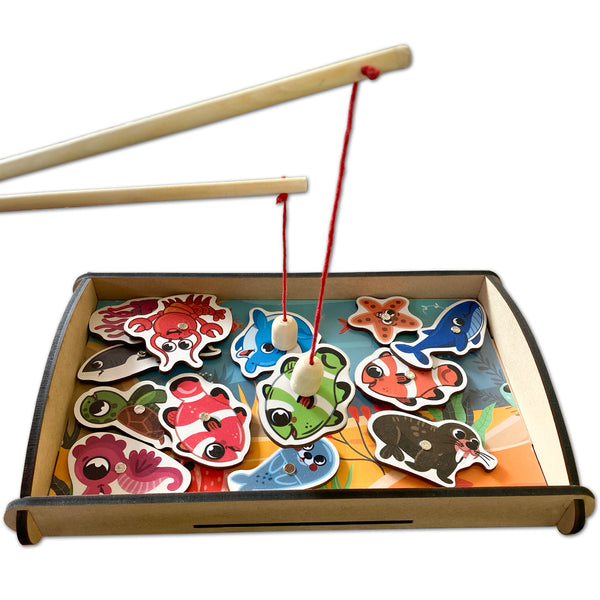
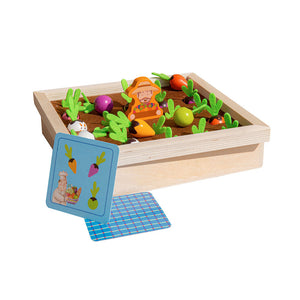
Given the varying quality of school infrastructure India, many parents are keen to supplement their child's learning at home. This is where educational toys for home learning become invaluable. Creating a 'prepared environment' at home, even on a smaller scale, can significantly boost a child's confidence and reinforce school concepts. Investing in high-quality, age-appropriate educational toys can transform a living room corner into a vibrant learning hub, much like the vibrant festivities of Diwali or Holi bring families together.
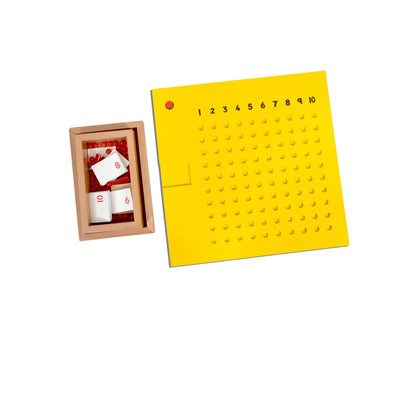
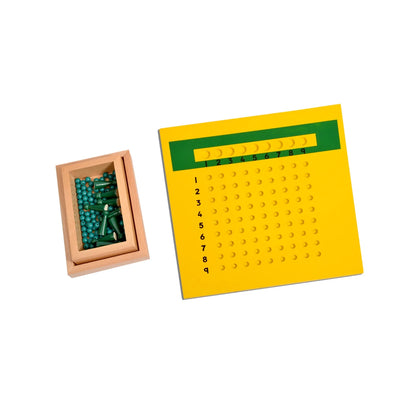
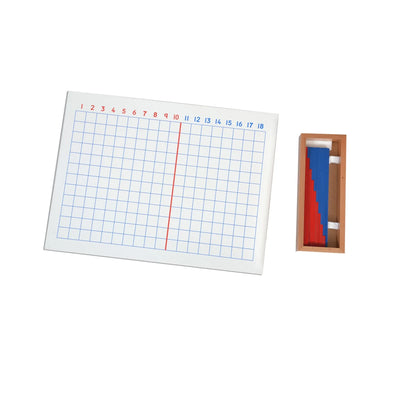
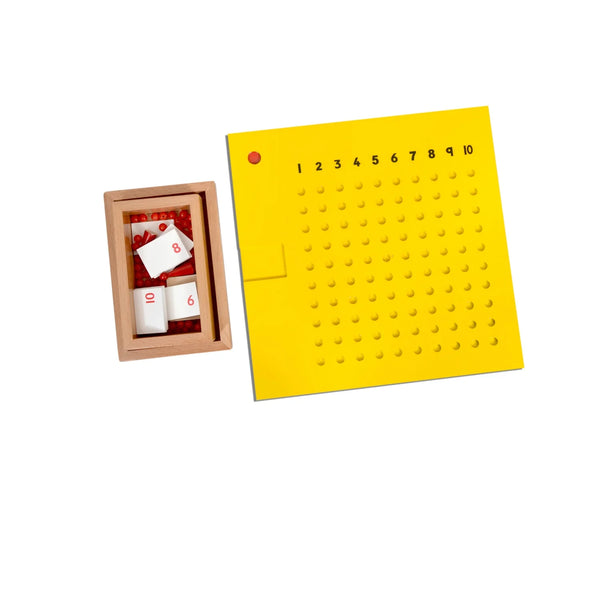
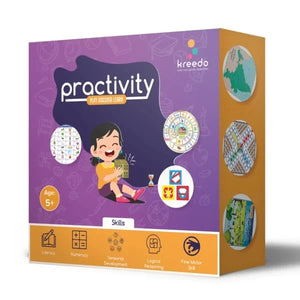
For children aged 5-8, interactive tools like challenging puzzles develop problem-solving skills and spatial reasoning. Montessori activity kits focused on practical life skills, geography, or mathematics can provide hands-on, engaging experiences that might be missing in larger classrooms. These materials empower children to learn through discovery, fostering concentration and independence. They provide a vital bridge, ensuring continuous development even if their school environment presents challenges, reinforcing the positive impact of school environment on learning wherever it occurs.
- The physical and psychological school environment critically shapes a child's academic journey and well-being.
- Recent student protests in India highlight significant concerns regarding basic school facilities and their impact on learning.
- A well-designed learning environment, like Montessori's "prepared environment," fosters independence, concentration, and a love for learning.
- Suboptimal school infrastructure can exacerbate academic pressure and hinder a child's cognitive and emotional development.
- Educational toys and activity kits are essential tools for parents to create supportive home learning environments.
- Investing in holistic learning experiences, both at school and home, helps children thrive despite external challenges.
What is the primary impact of school environment on learning for children aged 5-8?
The primary impact is on a child's concentration, engagement, and overall well-being, directly affecting their ability to absorb and process information. A comfortable, stimulating environment encourages active participation, while a poor one leads to distractions and disinterest.
How does Montessori address concerns about school infrastructure in India?
Montessori principles advocate for a "prepared environment" that is orderly, accessible, and child-centric, fostering independence and self-directed learning. While directly addressing physical infrastructure, it also provides a framework for creating optimal learning spaces, inspiring improvements wherever possible.
Can educational toys help if my child's school environment is not ideal?
Yes, absolutely. Educational toys and activity kits are powerful tools for home learning, allowing parents to create a supplementary 'prepared environment'. They reinforce concepts, build skills, and provide engaging, hands-on experiences that can compensate for gaps in the school setting.
What role do parents play in managing academic pressure related to the school environment?
Parents play a crucial role by advocating for better facilities, creating supportive home learning spaces, and adopting a holistic view of education. By focusing on intrinsic motivation and well-being, they can mitigate pressure and foster a positive attitude towards learning.
What is a "prepared environment" in the context of primary school learning?
A "prepared environment" is a carefully arranged learning space designed to meet a child's developmental needs and promote independence. It features accessible, age-appropriate materials and an atmosphere that encourages exploration, concentration, and self-correction, as envisioned by Maria Montessori.